
Melanoma Support Groups in the UK: How to Find the Right One
Melanoma support groups give people diagnosed with skin cancer a place to talk with others who understand the scans, the margins and the six-month check-ups. Across the UK, melanoma support groups meet in hospital seminar rooms, community centres, church halls and on video calls, and almost all of them cost nothing to attend. Around 17,500 people are diagnosed with melanoma in the UK each year, so the peer network behind any regional group is larger than most newcomers expect. A typical local session lasts 90 minutes, seats 8 to 20 people, and mixes practical talks — sunscreen, immunotherapy side effects, travel insurance — with unstructured conversation over tea. This guide sets out how the groups are organised, what they cost, which formats suit different treatment stages, and why so many members end up discussing dogs, walking routes and family routines rather than tumour staging.
What a Melanoma Group Meeting Actually Involves
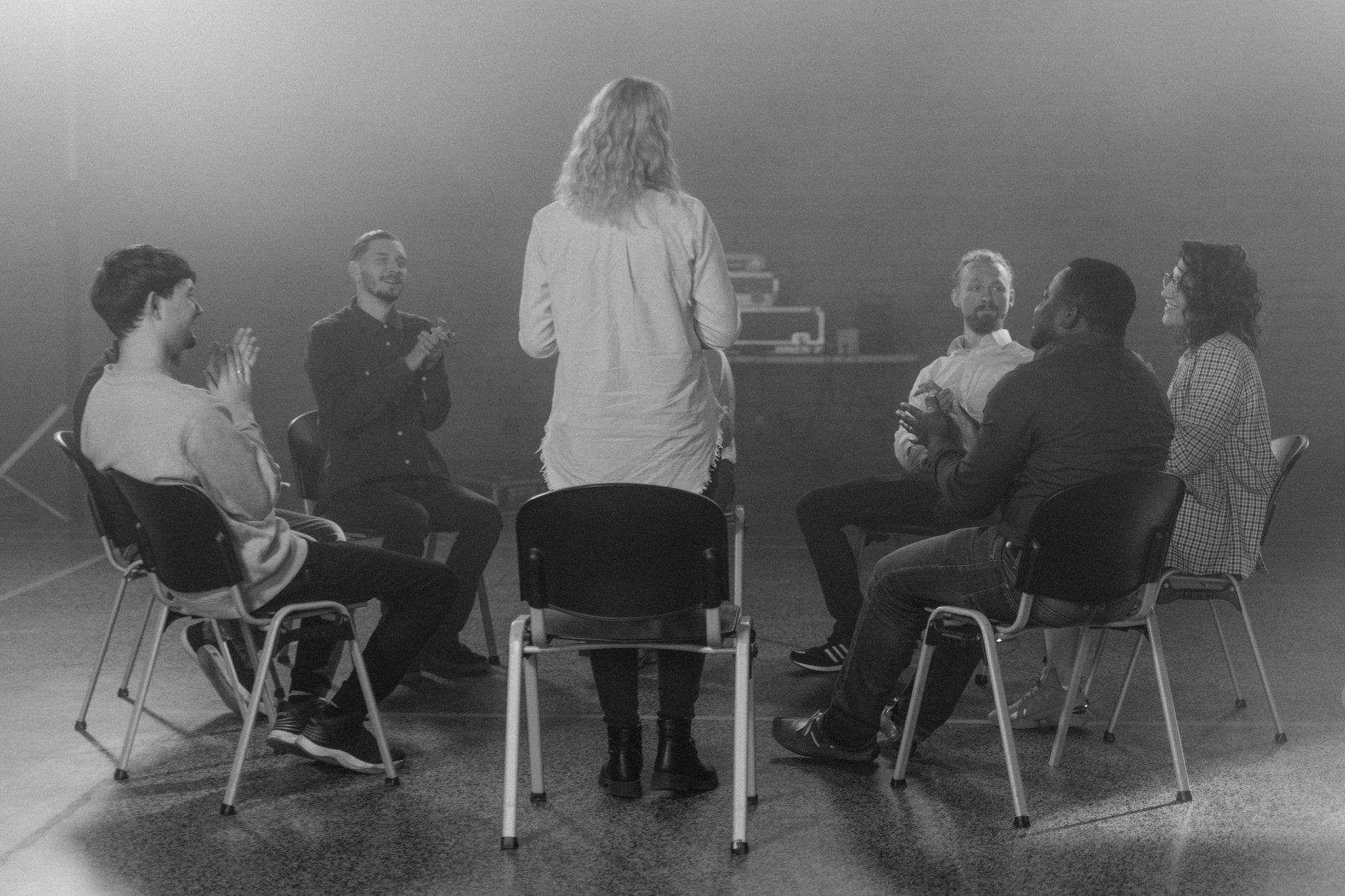
Most groups follow a predictable rhythm: a 15-minute welcome, a guest speaker such as a dermatology nurse or lymphoedema therapist, then open discussion. Attendance in a mid-sized city group runs at 12 to 25 people per session, with a core of six or seven regulars who anchor the room and greet newcomers at the door.
The value sits in specifics. Members swap the name of the consultant who explains sentinel node biopsy clearly, the pharmacy stocking SPF 50 at £8 rather than £19, and the wording that gets travel insurance quoted at £140 instead of £600 after a course of immunotherapy.
Emotional content varies by stage. Stage 1 and 2 members often want reassurance about surveillance scans, while stage 3 and 4 members discuss pembrolizumab schedules, fatigue management, and how to tell teenagers what is happening. Good facilitators keep both conversations in one room without either dominating the evening.
Peer-led versus clinician-led sessions
Peer-led groups are warmer and more candid, but they can drift towards whoever talks loudest. Clinician-led sessions, usually run monthly by a skin cancer nurse specialist, deliver accurate answers on drug interactions and scan intervals. Many members attend one of each, treating the peer group as support and the clinical group as information.
Finding a Group Near You Across the UK
Coverage is uneven. London, Manchester, Birmingham, Glasgow and Cardiff each host several groups, while rural Norfolk, mid-Wales and the Highlands may offer one within a 40-mile drive. Hospital-based groups sit alongside skin cancer multidisciplinary teams; charity-run ones meet independently and accept anyone, regardless of treating trust.
Three routes work fastest: ask your skin cancer clinical nurse specialist, read the noticeboard in the dermatology waiting room, or search a community directory. Local melanoma support groups often list only a first name and a mobile number, so a short phone call gets you further than an email.
Online meetings changed access after 2020. A Tuesday evening video group can pull 40 people from six counties, and members who are mid-treatment join from bed without losing a day. Most regions now run a hybrid pattern: monthly in person, fortnightly online, with a WhatsApp thread between sessions.
| Group type | Typical frequency | Usual cost | Best suited to |
|---|---|---|---|
| Hospital-based | Monthly, weekday afternoon | Free | Newly diagnosed, stages 1-2 |
| Charity-run local | Monthly, weekday evening | Free, £2 tea donation | Long-term peer support |
| Online national | Fortnightly, evening | Free | Rural members, mid-treatment |
| Carers-only | Every 6-8 weeks | Free | Partners and family |
| Advanced disease | Monthly, online | Free | Immunotherapy and trials |
Costs, Funding and What You Should Never Pay For
Attendance should cost nothing. Charity groups fund rooms through small grants, typically £300 to £900 a year for hall hire, and pass no fee to members. A donation tin for tea and biscuits, usually £1 to £2 a head, is the only money that changes hands at most meetings.
Travel is the real expense. Hospital transport schemes reimburse eligible patients at 45p per mile, and some trusts refund car parking above £5 per visit. Groups keep a shared lift list because a 25-mile round trip twice a month adds up quickly across a full year of appointments.
- Membership fees charged to attend a peer support meeting
- Supplements, creams or private clinics promoted from the front of the room
- Counselling arranged through the group without BACP or UKCP accreditation
- Photography or media consent forms you have not read in full
- Any product sold on the promise of preventing recurrence
Funded extras do exist. Macmillan and regional cancer charities award grants of £200 to £500 towards heating, wigs, or replacement clothing after weight change, and experienced group leaders know which application form clears in three weeks rather than three months.
Dogs, Walking Routines and Sun-Safe Company
Dogs come up constantly in these rooms. A daily walk enforces the routine that fatigue erodes, and early-morning or evening routes keep members outside the 11am to 3pm UV window that dermatology teams warn about. Several groups now run a monthly dog walk alongside the seated meeting, usually 45 minutes on flat ground.

That is why a cancer support conversation drifts into classifieds. Someone announces they are looking at a french bulldog puppy for sale, another has bookmarked three listings for a puppy french bulldog for sale, and a third is comparing every puppy for sale french bulldog advert within 30 miles of home.
Breed choice matters more than sentiment. Flat-faced dogs tire in heat and need short, shaded walks, which suits some members and frustrates others. Anyone searching english bulldog puppy for sale near me or puppy bulldog for sale near me should expect a companion that manages 20 to 30 minutes, twice daily, and no more.
Prices have hardened since 2023. A french bulldog puppy for sale uk listing from a licensed breeder rarely drops below £2,000, and a puppy french bulldog for sale uk advert priced at £700 usually signals an unlicensed seller, an imported litter, or missing health screening on both parents.
| Search members use | Typical UK price | First-year extras |
|---|---|---|
| blue french bulldog puppy for sale | £3,000-£5,000 | £900 insurance and vet fees |
| french bulldog puppy price uk, standard colour | £2,000-£3,500 | £750 insurance and vet fees |
| english bulldog puppy for sale near me | £2,500-£4,000 | £850 insurance and vet fees |
| mini bulldog puppy for sale | £1,500-£2,500 | £600 insurance and vet fees |
| american bulldog puppy for sale near me | £1,200-£2,000 | £700 insurance and vet fees |
Budgeting for a puppy during treatment
Treatment years are expensive years. Before answering a british bulldog puppy for sale near me advert, price the full first 12 months at £1,200 to £1,500 for food, vaccinations, neutering and insurance on top of the purchase. Ask the group who covered walks during their hospital admissions; that answer usually decides the timing.
Getting Value From Your First Three Meetings
Give it three sessions before deciding. First visits feel clinical and slightly awkward; by the third, faces repeat and the conversation stops revolving around diagnosis dates. Members who quit after a single meeting have often attended on a bad week rather than found a bad group.
Arrive with one question. Something concrete — how to raise a suspicious mole with a GP receptionist, what a 5mm change in a lesion justifies, or which sunscreen survives a working day outdoors — anchors your first contribution and spares you from introducing your entire medical history.
Set a limit on what you absorb. Hearing about recurrence two weeks after an excision can unsettle anyone, and stepping out for ten minutes is normal practice in every established group. Tell the facilitator beforehand, and most will check in afterwards by text rather than in front of the room.
How do I join melanoma support groups near me?
Start with your skin cancer clinical nurse specialist, who holds the current list for your trust and knows which groups still meet; printed leaflets date within a year. Between appointments, ring the dermatology secretary or check a local community directory for the venue and contact name. Expect to reach a volunteer rather than a professional. Ask three things: when and where the next meeting runs, whether carers are welcome, and whether advanced-stage members attend the same session. Arrive ten minutes early on your first visit, because introductions are far easier before the room fills up.
Is a support group useful if my melanoma was caught early?
Yes, and stage 1 members are frequently the largest contingent in the room. Surveillance carries its own strain: three-monthly checks through the first two years, a body map you learn to read yourself, and the anxiety spike that arrives a fortnight before each appointment. Peers who have completed five years of clear scans give a realistic picture that survival statistics cannot. Early-stage members also gain practical detail — how a wide local excision scar settles across 12 months, which dressings survive a shower, and what to tell an employer about follow-up leave. Larger groups run a separate early-stage strand.
What happens at a first meeting, and can I bring someone?
Expect tea, a circle of chairs, and no pressure to speak. A facilitator opens with housekeeping and confidentiality, then most sessions run a talk of 20 to 30 minutes from a nurse, dietitian or physiotherapist before open discussion. You can pass when your turn comes, and giving only your first name is completely acceptable. Partners, adult children and close friends are welcome at nearly every group, and several run carer-only sessions every six to eight weeks. Bring a notebook, because the practical details — insurance brokers, sunscreen brands, parking permits — come fast and nobody remembers them afterwards.