
Befriending Volunteer Role Explained UK: Duties, Training and Hours
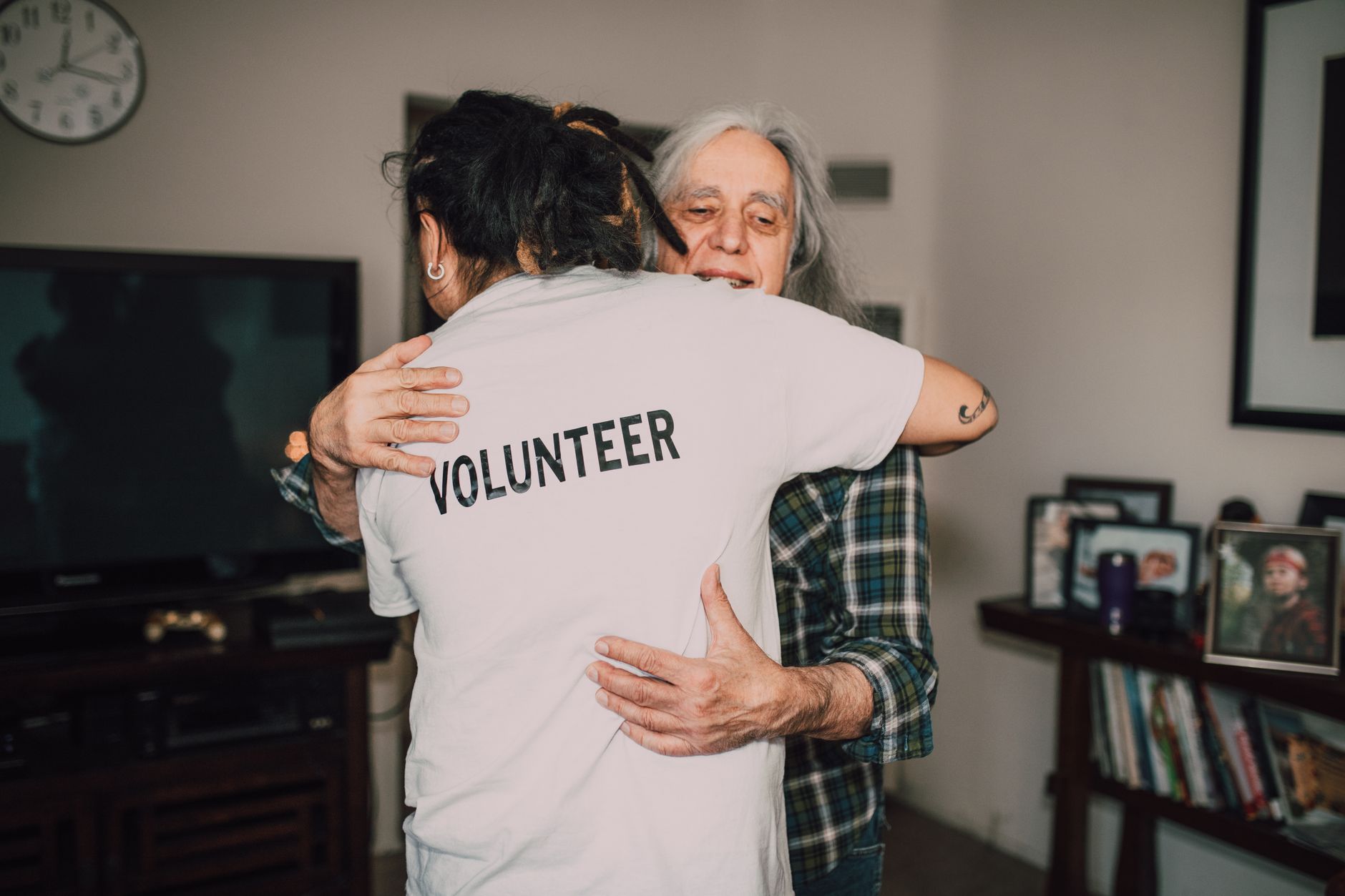
The befriending volunteer role explained UK-wide comes down to one steady commitment: regular, friendly contact with someone who is isolated. Most people searching for the befriending volunteer role explained UK expect a vague feel-good description, but the reality is structured, matched, supervised and surprisingly measurable. Schemes run by Age UK, Royal Voluntary Service, Marie Curie, Mind and hundreds of small local charities pair you with one person and ask for a fixed slot, often 45 to 60 minutes a week for at least six months. You are not a carer, a cleaner, a taxi service or a counsellor. You are the person who turns up, remembers the name of their dog, and notices when something has changed. This guide covers duties, referral routes, DBS checks, training, expenses and how befriending compares with other community roles across England, Scotland, Wales and Northern Ireland.
What the Befriending Volunteer Role Involves Week to Week
A befriending match starts with a coordinator introduction, usually at the beneficiary home or on a three-way phone call. From there you agree a repeating slot, Tuesday at 11am for example, and stick to it. Predictability is the intervention. Missing two visits in a row undoes months of trust building for a housebound person.
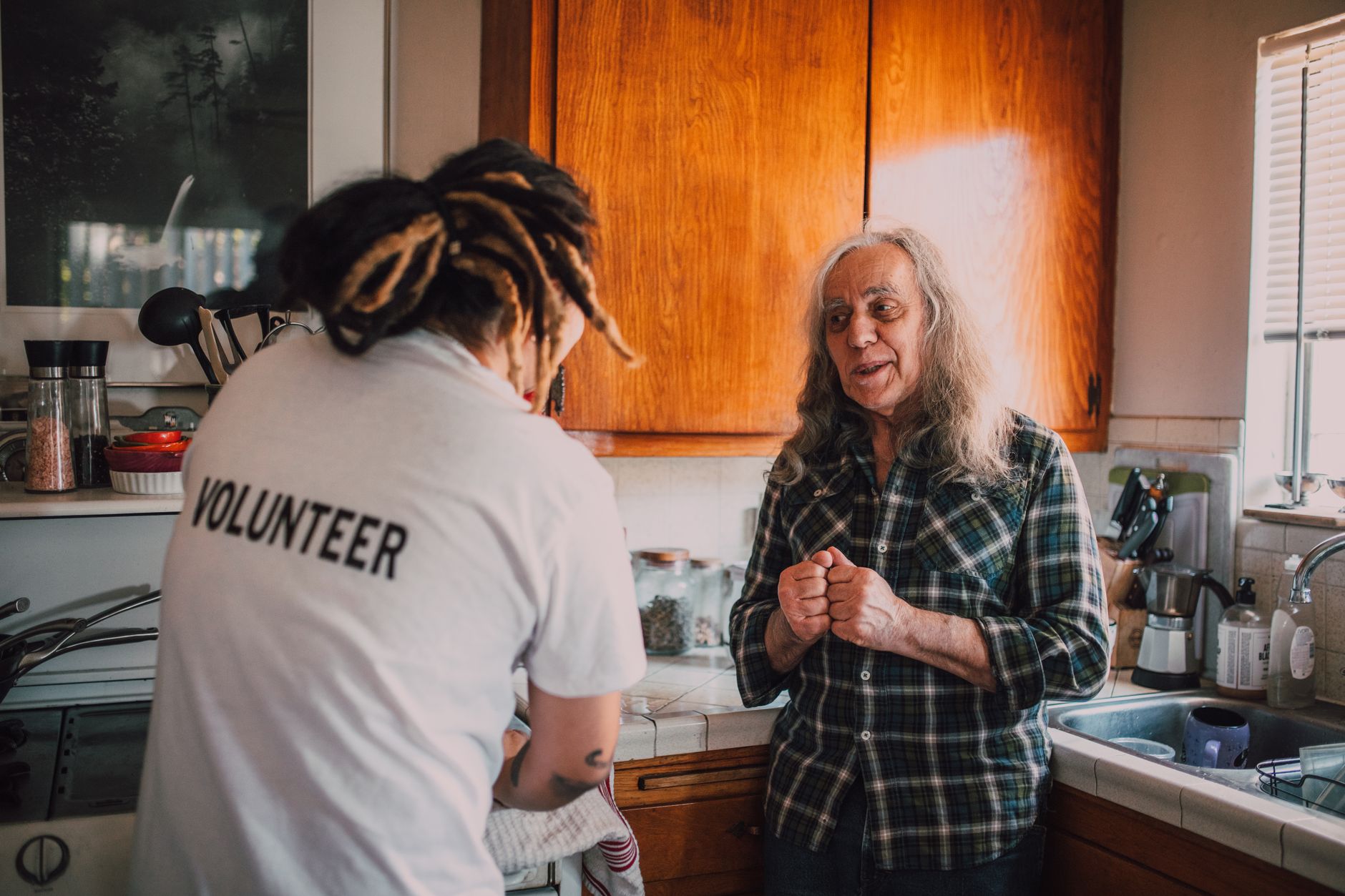
Sessions look ordinary. You make tea, talk about football or gardening, help sort a pile of post, walk to the corner shop, or sit through a favourite quiz programme. Some volunteers read aloud, others play cribbage. Many schemes report that most matches involve people over 75 living alone, though they also support young carers, refugees and people leaving hospital.
Boundaries are written into the volunteer agreement. No personal care, no handling bank cards, no lifting, no medication, no lifts in your own car unless the scheme has approved business-use insurance. You report concerns to the coordinator rather than acting alone, and you log each contact in a short form or app.
Telephone, Digital and Face-to-Face Formats
Three delivery formats dominate, and they suit very different lifestyles. Telephone befriending grew fastest because it removes travel time and geography. Face-to-face still produces the strongest reported drop in loneliness scores. Digital befriending, run over video calls, sits between the two and often includes teaching basic tablet skills.
| Format | Typical session | Commitment | Your outlay | Best for |
|---|---|---|---|---|
| Telephone | 20 to 40 minutes | Weekly, 6 months | Free, scheme calls out | Shift workers and rural volunteers |
| Video call | 30 to 45 minutes | Weekly, 6 months | Broadband only | Tech-confident volunteers |
| Home visit | 60 minutes | Weekly, 12 months | Travel, reimbursed | Deep, long-term matches |
| Walk and talk | 45 to 90 minutes | Fortnightly | £3 to £5 for coffee | Mobile beneficiaries |
| Group befriending | 2 hours | Monthly | Travel only | People wanting a team |
Who Runs Befriending Schemes and How to Find One Near You
Three routes lead to a match. National charities advertise on their own portals, local Councils for Voluntary Service and Volunteer Centres list dozens of schemes by postcode, and NHS social prescribing link workers refer people directly. Hospices, sight-loss charities and veterans organisations also run their own specialist befriending arms.
If no scheme covers your area, groups sometimes research how to set up a charity from scratch. Registration with the Charity Commission becomes compulsory once income passes £5,000, a charitable incorporated organisation needs at least three trustees, and the process takes roughly three months. Partnering with an existing scheme is faster and brings insurance and supervision immediately.
Group befriending needs a venue. Village hall hire cost UK averages £10 to £25 an hour, with rural committees charging less for regular community bookings and London spaces charging considerably more. Many schemes negotiate a free weekday morning slot in exchange for naming the hall in their funding bids and annual reports.
Applications, DBS Checks and the Training You Will Receive
Applications are light but not casual. Expect a form, two references who are not family members, and an informal chat lasting 30 to 45 minutes. Coordinators are matching personalities as much as availability, so questions about your hobbies, patience and reaction to repeated conversations are deliberate rather than small talk.
Vetting follows. Most schemes require an enhanced DBS check, which is free for volunteers in England and Wales, while Scotland uses PVG scheme membership and Northern Ireland uses AccessNI. Any honest account of the befriending volunteer role explained UK has to include a four to eight week wait before your first visit.
Training is short and practical. Budget six to twelve hours across two sessions, sometimes delivered online in the evening. You then get a named supervisor, a monthly or quarterly check-in, and access to a duty phone line for anything that worries you between scheduled visits.
What Induction Training Usually Covers
Content varies by scheme, but the core curriculum is remarkably consistent across the sector because funders and insurers expect it. Sessions mix scenario work with policy, and most providers finish with a written quiz or a short reflective exercise you complete at home.
- Safeguarding adults at risk, and exactly how to raise an alert
- Confidentiality, GDPR and what you may record in contact logs
- Boundaries around money, gifts, faith, politics and social media
- Dementia, stroke and sensory-loss awareness
- Lone working, home visit safety and emergency procedures
- Active listening, and how to end a match well
Time Commitment, Expenses and What It Actually Costs You
Realistic budgeting matters more than enthusiasm. A weekly hour becomes ninety minutes once travel is counted, and most schemes ask for six to twelve months. Fortnightly matches exist for shift workers, and telephone rounds of three or four calls can be finished in a single evening from your sofa.
Out-of-pocket costs should be reimbursed. Schemes pay mileage at the HMRC approved rate, refund bus and rail fares against tickets, and often cover a £3 to £5 refreshment allowance for cafe meetings. Claim it, because unclaimed expenses hide the true cost of delivery from funders and shrink future grants.
The real cost is emotional. Matches end through hospital admission, a move into residential care or bereavement, and volunteers consistently describe that as the hardest part of the job. Good schemes debrief you, offer a break of a few weeks, and never pressure you into an immediate rematch.
How Befriending Compares With Other UK Community Volunteering Roles
Volunteer centres field overlapping enquiries. Someone arrives asking how to volunteer at food bank sessions, learns that the UK food bank referral process runs on vouchers issued by GPs, schools and Citizens Advice, and leaves with a befriending application instead. The two roles feed each other: warehouse shifts spot isolation, befriending addresses it.
Noticeboards in any parish carry the same question-shaped leaflets: community fridge how it works, neighbourhood watch scheme how to start, how to run a village fete without losing money. Starting a community garden UK style needs a lease, public liability insurance and roughly £600 of tools, while befriending needs a phone and a diary.
Retail volunteering pulls the biggest numbers. The best charity shops in London can turn over £4,000 in a strong week, and donating clothes to charity UK branches funds frontline services including befriending coordinators. A Saturday on the till suits people who want company without a one-to-one commitment, and rotas flex around holidays.
Formal roles demand more. Anyone researching how to become a school governor is looking at four years, termly meetings and budget papers, while parish council meeting rules UK set out quorum, public participation and notice periods. Befriending asks for consistency rather than committee stamina, which is why retention rates stay strong.
How Do I Apply for a Befriending Volunteer Role in the UK?
Start with a postcode search on a national volunteering platform or your local Volunteer Centre listings, then shortlist two schemes and email both. Response times range from same day to a fortnight, so applying twice protects you from a stalled wait.
You then complete an application form, supply two non-family referees, attend an informal interview and consent to a DBS, PVG or AccessNI check. Expect four to eight weeks from first email to first visit, most of that vetting rather than paperwork on your side.
Anyone still weighing up the befriending volunteer role explained UK guidance above should ask three questions at interview: how long matches typically last, what supervision looks like month to month, and what happens if a match does not work. Strong coordinators answer all three without hesitation.
Is Befriending Volunteering Possible Around Full-Time Work?
Yes, and most schemes are designed around it. Telephone befriending runs from 6pm to 9pm in many services precisely because that is when isolated people find the evening longest and when working volunteers are free to talk properly.
Weekend home visits are common too. A Saturday morning slot of an hour suits both parties, and coordinators will match you with someone whose routine fits yours rather than forcing a weekday appointment that neither of you can sustain over twelve months.
If your shift pattern rotates, ask for a fortnightly match or a floating role covering holidays and sickness across several matches. That option carries less emotional weight, still counts as regular contact, and keeps you connected to the scheme without a fixed weekly promise.
What Skills Do Befriending Schemes Look For in Volunteers?
Reliability outranks everything. Coordinators would rather have a volunteer who calls at the agreed hour for two years than a naturally gifted conversationalist who cancels twice a month. Turning up, on time, in all weathers, is the measurable part of the job.
After that comes listening without steering. Beneficiaries repeat stories, disagree with your politics, and sometimes say nothing for ten minutes. Volunteers who tolerate silence, avoid problem-solving on instinct and resist giving medical or financial advice tend to hold their matches the longest.
No qualifications are required. Schemes recruit students, retired teachers, night-shift nurses and people with lived experience of loneliness. What they screen out is anyone seeking a rescue narrative, because befriending works through slow, unglamorous equality rather than intervention or charity in the older sense.