
Beach Clean Events UK: How to Run and Join One That Lasts
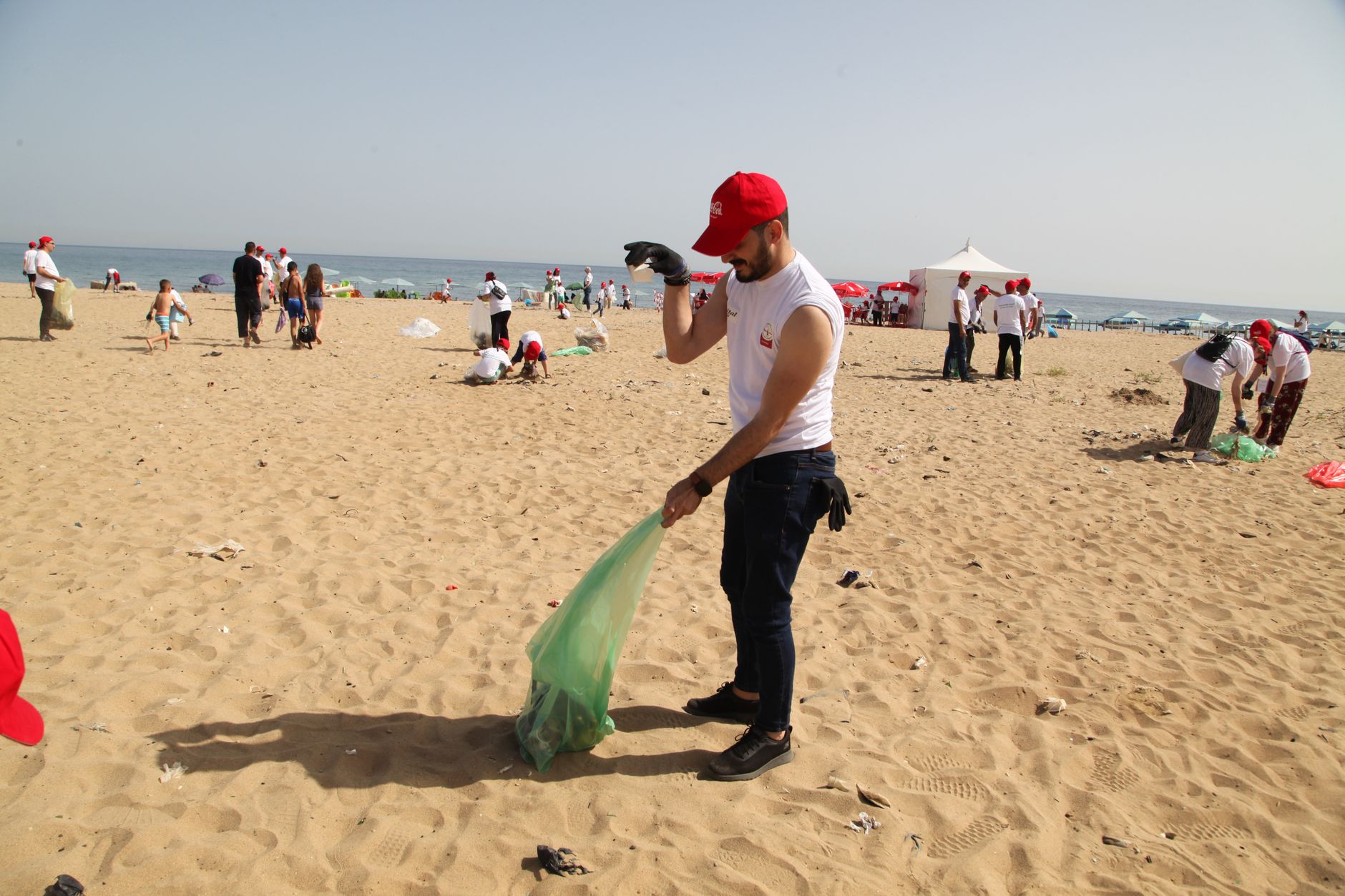
Beach clean events UK volunteers turn up to are among the easiest community projects to launch, and among the hardest to keep going past the first summer. A single two-hour session on a mile of shoreline can pull 40kg of rope, wet wipes, bottle tops and dropped fishing tackle off the sand, and the practical barrier is rarely enthusiasm — it is litter pickers, insurance, tide tables and someone willing to drive the bags to a waste transfer station. This guide covers the whole sequence: choosing a stretch of coast, getting permission from the landowner, budgeting realistically in pounds, recruiting people who return, recording data that councils act on, and converting a tidy beach into a standing local group. Expect specifics — kit prices, volunteer ratios, sample timings — rather than encouragement, because the encouragement part usually looks after itself once the first bag is full.
Why Organised Beach Cleans Beat Casual Tidying
Coastal litter is not evenly distributed, and that is precisely why organised beach clean events UK groups run outperform casual tidying. Prevailing winds and tidal drift concentrate plastic at the strandline, in dune grass and behind groynes, so twenty people working a marked 400-metre transect will always beat sixty wandering freely across open sand.
The second advantage is measurement. Volunteers who log every item on a standard survey form produce evidence that supports deposit return schemes, better bin placement and wet wipe legislation. A bag of rubbish is a photograph; a tally of 312 cotton bud sticks across 100 metres is a submission a council committee cannot easily wave away.
There is also a civic habit at work here. The people who show up are frequently the same ones already donating clothes to charity UK shops resell, or dropping bags at the best charity shops in London on a Saturday morning. A beach clean simply gives that existing instinct a fixed time, a fixed place and a visible result.
Planning the Clean: Permissions, Waste and Real Costs
Start with ownership. Most foreshore below mean high water belongs to the Crown Estate, while the beach above it may be council, National Trust or privately held. One email naming your date, expected numbers and waste plan usually secures written consent within a fortnight, and that consent underpins every other arrangement you make.
Waste collection is the step people forget. Councils will often supply sacks and collect a marked pile if you book three weeks ahead, and a short request slot at a local meeting helps enormously. Parish council meeting rules UK bodies follow require agenda items in advance, so submit your request roughly ten days before.
Budget in pounds rather than goodwill. Litter pickers cost £8 to £14 each, hi-vis vests £3 to £5, and heavy-duty sacks around £15 per hundred. If you want an indoor debrief afterwards, village hall hire cost UK wide typically runs £8 to £20 an hour, which a tea-and-cake donation box comfortably covers.
Sample Budget for a 30-Volunteer Clean
| Item | Quantity | Unit cost | Total |
|---|---|---|---|
| Litter pickers (steel jaw) | 15 | £11 | £165 |
| Hi-vis vests | 30 | £4 | £120 |
| Heavy-duty sacks | 100 | £0.15 | £15 |
| Rigger gloves | 30 pairs | £2 | £60 |
| First aid kit and sharps box | 1 set | £45 | £45 |
Buy once and buy properly. A £12 picker with a steel jaw survives four seasons of salt spray; a £4 plastic one snaps by the third outing. Store the kit in a member garage or a lifeboat station cupboard, log it on a shared spreadsheet, and expect to replace roughly ten per cent of it annually.
Recruiting Volunteers Who Actually Come Back
Recruitment is a distribution problem, not a persuasion problem. Post the date to a village Facebook group, a street WhatsApp thread and two physical noticeboards, then expect around forty per cent of registrations to attend. Collect names in advance regardless, because that number sets your kit quantities and first-aid ratio.
Piggyback on structures that already exist. Anyone researching neighbourhood watch scheme how to start guidance is assembling the same contact list you need, and the overlap between those two audiences is almost total. Scout groups, sea cadets, running clubs and dog-walking pages each reliably deliver ten to thirty people from one well-timed post.
Schools are the strongest single channel, and the route in is a person rather than a form. A parent who has looked into how to become a school governor can raise a beach clean at the next full governing body meeting. The same committees that know how to run a village fete will happily host your gazebo.
Keeping the Second and Third Clean as Busy as the First
Fix the pattern early: first Saturday of every month, same car park, 10am, ninety minutes. Predictability beats publicity every time. Send one reminder four days ahead and one the night before, name a specific job for each returning volunteer, and attendance usually stabilises at sixty to seventy per cent of your launch figure.
Running the Day Safely and Recording What You Find
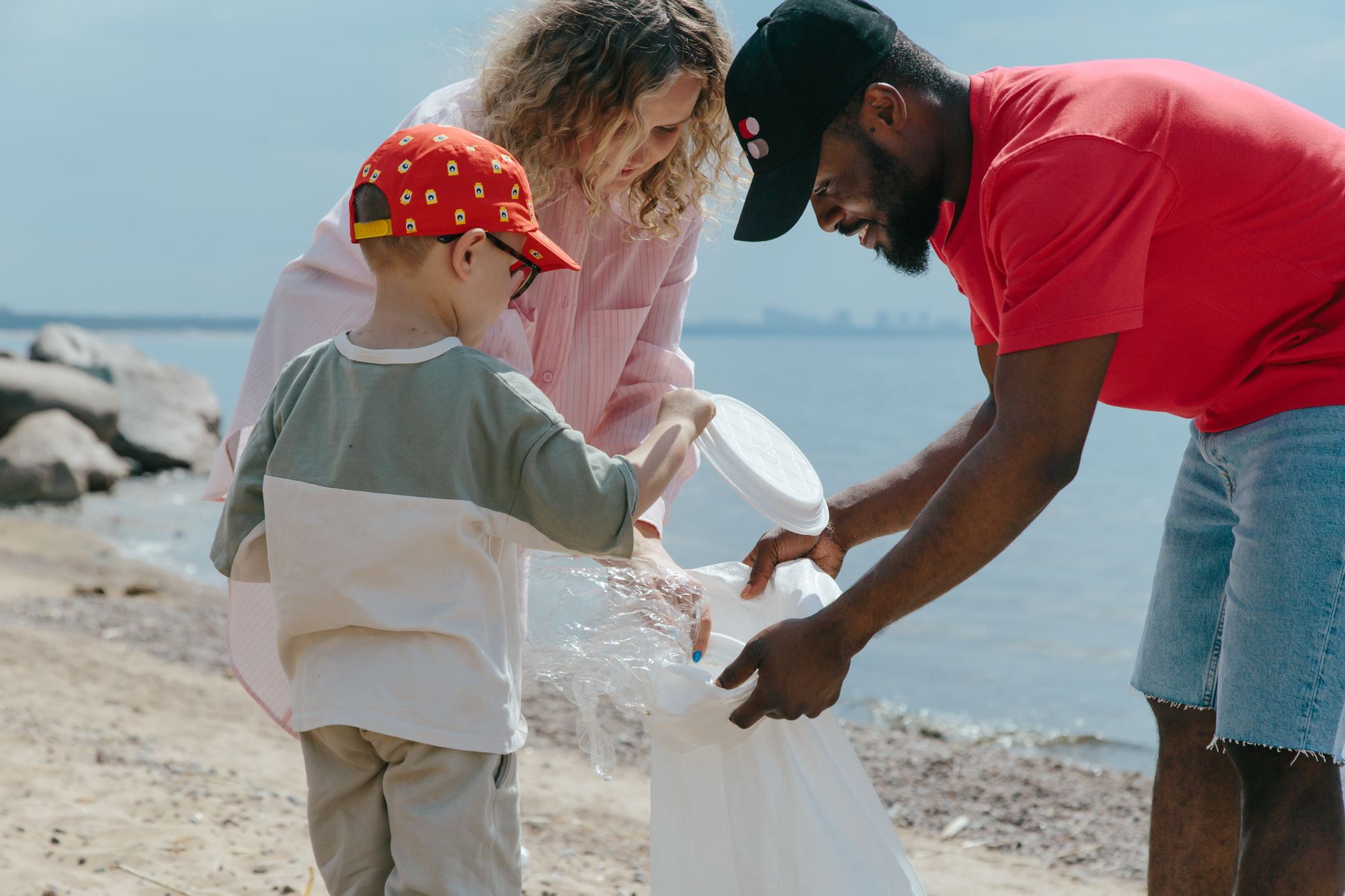
Brief everyone for five minutes before anybody touches a sack. Cover sharps, syringes, chemical drums, dead animals and anything resembling ordnance — the instruction for all of them is identical: mark it, photograph it, report it, never lift it. Assign one named person to carry the first aid kit throughout.
- Check the tide table and finish at least ninety minutes before high water on a shelving beach.
- One trained supervisor per ten volunteers, and two adults minimum with any under-16s.
- Closed footwear only; sandals and flip-flops should be turned away politely at sign-in.
- Rigger gloves for everyone, plus a rigid sharps container kept at the meeting point.
- Agree a finish time and a headcount before anyone leaves the car park.
Induction should feel welcoming rather than bureaucratic — closer in tone to what people meet when finding out how to volunteer at a food bank than to a corporate safety course. Name the hazards plainly, pair each newcomer with an experienced regular, and end the session early if wind, tide or fading light turns against you.
Recording is what converts effort into influence. Use a fixed 100-metre survey line, count items by category, and photograph the haul with a person included for scale. Submit your totals to a national marine litter database and to your ward councillor within a week, while the figures still feel current.
From One Clean to a Year-Round Community Project
The skills transfer sideways with almost no friction. Risk assessments, sign-in sheets, tool storage and a working rota are exactly what starting a community garden UK neighbourhoods need, and half your beach clean regulars will want in. Groups running both tend to hold their members through winter, when the coast is genuinely unpleasant.
Constitution before cash. An unincorporated association with a two-page constitution, three officers and a bank account is enough for most grants under £5,000. Investigate how to set up a charity formally only once income approaches the registration threshold, because charitable incorporated organisation status brings annual reporting a small group may not want.
Partner rather than duplicate. Understanding how a community fridge works — surplus stock, food hygiene training, fixed opening hours, one named responsible person — shows you exactly what a sustainable volunteer rota looks like. Shared insurance, shared storage and a shared newsletter cut the administrative load substantially for every group involved.
Finally, know your local map. Volunteers ask about everything, and being able to explain the UK food bank referral process, where the nearest repair café meets, or which councillor answers emails turns your group into a hub. Beach clean events UK coastlines need survive on precisely that kind of embedded local usefulness.
How do I find beach clean events UK beaches host near me?
Three routes work reliably. First, check the events pages of the major marine conservation charities, which publish regional calendars covering hundreds of organised cleans, usually with sign-up forms and meeting-point postcodes. Second, contact your district or borough council directly, since coastal authorities keep lists of registered volunteer groups and frequently supply sacks and collection for them. Third, search local Facebook groups using your beach name plus the word clean, because a large share of sessions are informal and never appear on national listings. If nothing exists within a reasonable drive, that is a strong signal to start your own rather than travel forty minutes each way.
Is public liability insurance necessary for a community beach clean?
For anything beyond a handful of friends, yes. Public liability cover of £5 million is the standard expectation, and councils or landowners routinely ask for a certificate before granting permission to use their beach or car park. A small constituted group can expect to pay roughly £80 to £200 a year through a volunteering umbrella scheme, and many national marine charities extend cover free to sessions registered on their platform, which is the cheapest legitimate route. Complete a written risk assessment either way. It costs nothing, takes twenty minutes, satisfies most insurers and landowners, and genuinely improves how the day runs.
What equipment should volunteers bring to a beach clean?
Organisers normally provide pickers, sacks, gloves and hi-vis vests, so volunteers mainly need suitable clothing. Closed sturdy footwear is non-negotiable — walking boots or wellingtons rather than trainers on shingle. Bring a waterproof layer regardless of forecast, since coastal wind chill on an exposed beach can feel ten degrees colder than the car park. Add a reusable water bottle, sun cream between spring and autumn, and a fully charged phone for photographing anything hazardous. Leave dogs at home unless the organiser has confirmed otherwise, and if you own a good litter picker, bring it; spare kit runs out fastest at well-attended sessions.