
Bring and Buy Sale Ideas That Raise Real Money for Your Community
The best bring and buy sale ideas start with one honest question: what will people on your street actually pay for on a wet Saturday morning? A bring and buy sale is the cheapest fundraiser in the community organiser’s toolkit — no stallholder fees, no supplier invoices, no unsold stock to write off — because the goods arrive free and the sellers are also the buyers. A well-run sale in a hall of 60 people typically clears £250–£600 in two hours, and running costs rarely exceed £80. What separates a £120 morning from a £600 one is not luck. It is stock mix, pricing discipline, table layout and how early you start collecting donations. This guide covers the practical decisions: where to hold it, what sells, what to charge, how to handle cash safely, and how to turn a single morning into something that keeps giving.
Why Bring and Buy Sales Beat Bigger Fundraisers on Margin
A bring and buy sale has almost no fixed costs, which is why it outperforms a raffle or a sponsored walk on margin. Every item on the table was donated, so gross takings sit very close to net profit. A church hall event with 40 sellers can turn £0 of stock into £400 in ninety minutes.
Compare that to a quiz night, where you pay for a licence, a compere and prizes before a single ticket sells. Compare it again to a summer event: anyone researching how to run a village fete quickly discovers that inflatables, insurance and marquee hire can swallow £900 before the gates open. A hall sale needs a float, some tables and tea.
The second advantage is speed. You can go from first phone call to open doors in three weeks. That makes it the right format for urgent causes — a damaged roof, a bereaved family, a scout troop that needs kit — where a six-month fundraising campaign would arrive far too late to help anyone.
Volunteer demand is low too. Six people can run a sale properly: two on the door, two on the tables, one on cash, one on refreshments. That is roughly a quarter of the crew a fete needs, and it means small committees can repeat the event four times a year without burning anyone out.
Choosing a Venue and Counting the Real Costs
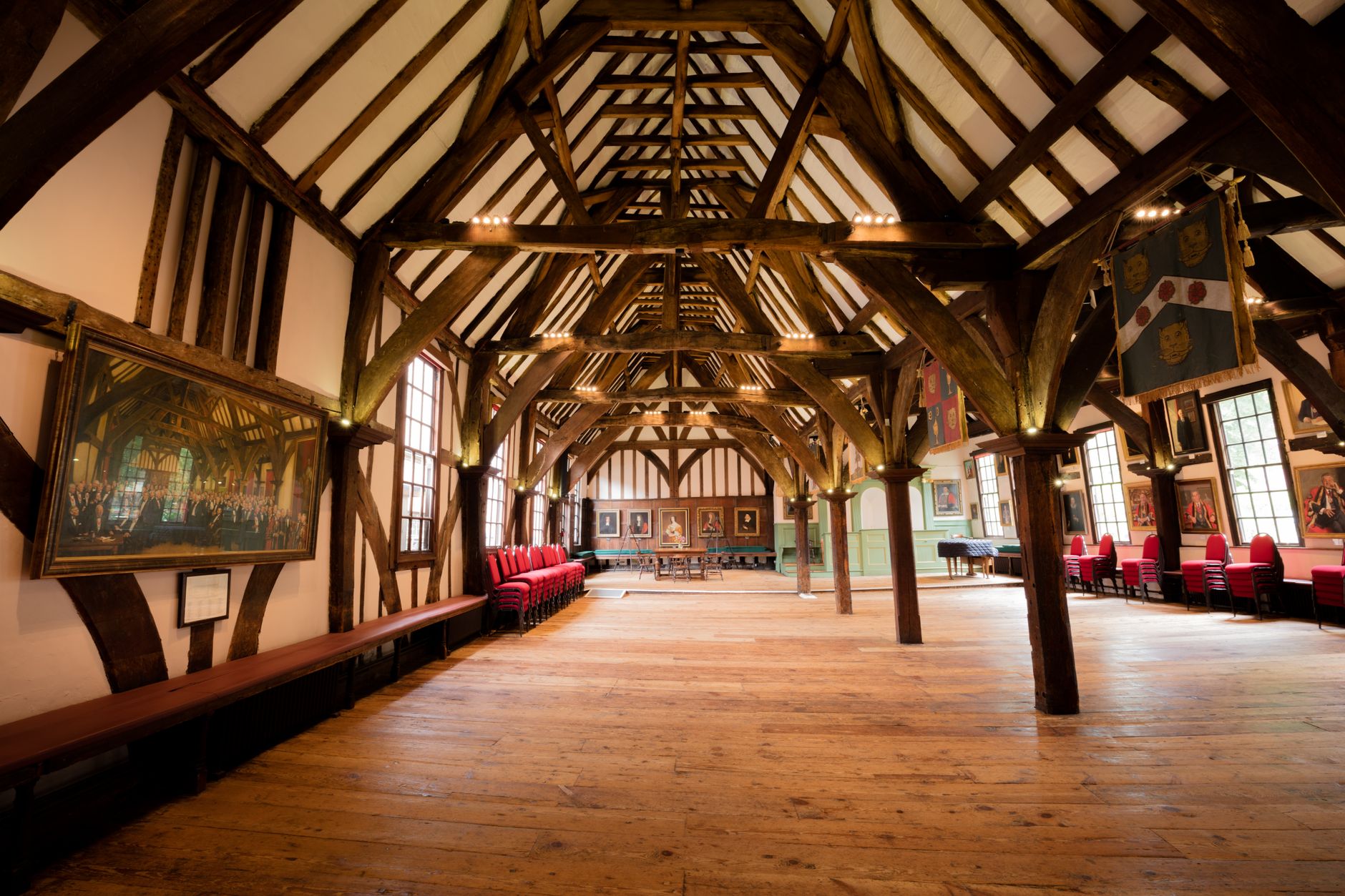
Venue choice drives footfall more than any poster. Halls attached to a school, church or community centre already carry passing traffic and parent networks. A venue on a bus route with 15 parking spaces will out-earn a prettier hall down an unlit lane, every single time, regardless of how good your stock is.
Budget realistically. Village hall hire cost UK figures generally land between £8 and £25 an hour for community rates, with a refundable deposit of £50–£100 and occasionally a cleaning charge. Add £15 for public liability cover if your group is not already insured, plus £20 for tea, coffee, squash and biscuits.
If the hall is council-owned, put your request in early. Parish council meeting rules UK bodies follow require agenda items to be published in advance, usually three clear working days, so a late request simply rolls to the following month. Ask the clerk for the booking form rather than raising it from the floor.
Booking the Hall Without Overpaying
Ask for the charity or community rate rather than the commercial one — the gap is often 40%. Book a Saturday between 10am and 12.30pm, allowing 45 minutes of set-up either side. Request the kitchen and the urn in writing, and confirm whether tables and chairs are included or charged per unit.
Stock Ideas: What Sells Fast and What Clogs the Table
Great bring and buy sale ideas rest on a simple truth: shoppers buy small, cheap, useful and nostalgic things. Children’s books, jigsaw puzzles, unopened toiletries, baking tins, plant cuttings and good-condition toys clear the table within the first 40 minutes. Bulky furniture, VHS tapes and chipped crockery sit there until closing.
Clothing is the biggest judgement call. Donating clothes to charity UK shops is usually a better outcome for adult fashion, because those retailers can steam, size and merchandise it properly — it is the same volume model that makes the best charity shops in London so profitable per square foot. Keep only children’s clothes, coats and unworn items.
| Item type | Typical price | Sell-through | Notes |
|---|---|---|---|
| Children’s books | 50p–£1 | Very high | Bundle five for £3 |
| Jigsaws and board games | £1–£3 | High | Tape the box shut |
| Homemade cakes | £1–£2 a slice | Very high | List allergens clearly |
| Plants and cuttings | £1.50–£4 | High | Label the variety |
| Kitchenware | £1–£5 | Medium | Test electricals first |
| Adult clothing | 50p–£2 | Low | Better sent to a charity shop |
Pricing, Floats and Taking Payment
Price everything before doors open. Unpriced tables force volunteers to negotiate 200 times in two hours, which slows the queue and produces wildly inconsistent takings. Use coloured sticky dots — red 50p, blue £1, green £2, yellow £5 — with a key taped to the cash desk so any helper can cover the till.
Prepare a float of £60: forty £1 coins, twenty 50p pieces, ten £2 coins and a handful of small notes. Keep it in a lockable cash tin, not an ice cream tub, and move surplus notes into a sealed envelope hourly. Two people should count the final total together and both sign the sheet.
- Card reader — expect roughly 1.5–1.75% per transaction, worth it above £3 sales
- QR donation code on the door and on every table
- A tombola at £1 a ticket, every fifth ticket a winner
- Refreshment table: tea 80p, coffee £1, cake slice £1.50
- A guess-the-weight jar at 50p a go
- A clearly signed collection bucket beside the exit
The Half-Price Hour and the Final Sweep
Announce half price for the last 30 minutes and fill-a-bag-for-£2 for the last ten. It converts leftovers into cash and, more importantly, into space. Agree in advance which local charity shop will take the remainder on Monday, and book a car big enough to move it.
Turning One Sale Into a Lasting Community Project
The sale is a recruiting tool as much as a fundraiser. People who chat over a cake stall are the same people who later ask how to volunteer at food bank sessions, join a litter pick or take a turn on the committee. Put a clipboard and a short sign-up sheet next to the till.
Give the money a visible destination. If proceeds support a local pantry, display a one-page explainer of the UK food bank referral process — how a voucher is issued by a GP, school or support agency — so shoppers understand exactly what their £1.50 buys. Concrete detail raises average spend noticeably.
Surplus food and produce open another door. A poster explaining the community fridge, how it works, and which items it can legally accept turns a sale into a redistribution point. The same weekend energy also suits starting a community garden UK councils will often support with a peppercorn lease on unused land.
If the sales become regular and takings pass roughly £5,000 a year, look seriously at how to set up a charity or a CIO, which unlocks Gift Aid and grant eligibility. Meanwhile, use the mailing list for everything else the area needs: a neighbourhood watch scheme, how to start a street group, and who to contact next.
How Much Money Can a Bring and Buy Sale Realistically Raise?
A hall holding 60 to 80 visitors usually takes between £250 and £600 across a two-hour morning, before deducting £40–£90 of costs. The single biggest variable is refreshments, which routinely add 25% to 35% of total takings for almost no outlay.
Frequency matters more than scale. Four modest sales a year at £350 each raise £1,400 and build a reliable audience, while one ambitious annual event carries higher hire costs, more weather risk and a much longer volunteer recovery period afterwards.
To push takings upward, collect donations for three weeks beforehand rather than accepting drop-offs on the day, run a tombola alongside the tables, and open a card reader. Groups that do all three commonly report 40% more income than tables and cash alone.
Is Planning Permission or a Licence Needed for a Bring and Buy Sale?
For a private, occasional sale inside a hall you already hire, you generally need no licence at all. The venue’s own premises licence, insurance and fire certificate cover the event, though you should confirm capacity limits and fire exit arrangements with the booking secretary in writing.
Three activities do change the picture. Selling alcohol requires a Temporary Event Notice, applied for at least ten working days ahead for around £21. Live amplified music may need permission, and a raffle sold in advance rather than on the day falls under lottery rules.
Food adds a further step. Home-baked cakes sold occasionally for charity are usually exempt from registration, but you must label allergens and keep anything chilled at 8°C or below. Ask the hall for its food hygiene rating and its written kitchen procedure before you commit.
What Should You Do With Unsold Items After the Sale?
Decide the destination before the doors open, because tired volunteers at 1pm make expensive decisions. Split leftovers into three clearly labelled crates during the final sweep: resale quality, recycling, and genuine waste. That takes twenty minutes and saves a full afternoon later.
Resale-quality goods go to a charity shop, a school fair, or a hospice furniture outlet if bulky. Textiles that no shop will rail can go to a textile bank rather than landfill. Books that will not sell often find a home in a community fridge corner, waiting room or bus shelter library.
Keep a short record of what did not sell. After three events you will have a clear pattern — and that pattern becomes your donation guidance for next time, cutting sorting hours and lifting sell-through. It also gives you useful evidence when applying for grants or recruiting a volunteer coordinator.