

Community Cafe Business Plan UK: How to Launch and Sustain a Local Hub
Writing a community cafe business plan UK funders will actually back is the single most important step in turning a kind idea into a venue that survives its third winter. Whether you are converting a church annexe, a library corner or an empty high-street unit, the plan must show how social purpose and cash flow support each other. Most successful community cafes in Britain run on a blend of trading income, grants and volunteer time, and funders such as the National Lottery Community Fund expect to see each element costed. This guide walks through legal structures, venue choices, realistic start-up budgets in GBP, pricing models such as pay-as-you-feel, volunteer management and impact reporting. You will also see how a cafe can anchor wider local activity, from surplus food schemes to fetes and gardening projects, so that your hub becomes a genuine meeting point rather than just another place selling coffee.
Defining Your Purpose, Audience and Legal Structure
Every strong community cafe business plan UK funders approve starts with a one-sentence mission they can repeat back to you. Tackling loneliness among over-65s, serving affordable hot meals on an estate or creating a daytime base for new parents are all valid aims, yet each demands different opening hours, menus and staffing.
Gather evidence instead of assumptions. A short survey of 100 to 150 residents, conversations with the local GP surgery, social prescribers and schools, plus ward-level deprivation data, will show where demand really sits. Record the numbers in an appendix, because grant panels routinely score applications on evidenced need rather than enthusiasm.
Next, choose a legal form. If you are reading up on how to set up a charity, remember that an unincorporated group can open a bank account quickly but leaves committee members personally liable for leases and debts. Incorporating protects volunteers, reassures landlords and makes you eligible for far more grant programmes.
Choosing Between a CIC and a CIO
A Community Interest Company registers with Companies House for a small online fee, can pay directors and suits cafes where trading will cover most costs, but it cannot claim Gift Aid. A Charitable Incorporated Organisation registers free with the Charity Commission, unlocks Gift Aid and 80% mandatory business rates relief, but relies on unpaid trustees.
A popular hybrid is a CIO that owns the mission and a wholly owned trading subsidiary that runs the counter, gifting its profits back each year. This keeps trustees comfortably within Charity Commission trading rules while letting the cafe sell merchandise, host private parties and cater external events without risking the parent charity’s status.
Finding and Costing the Right Venue
Venue choice drives almost every other number in the plan. Church halls, libraries, sports pavilions and empty high-street units let under meanwhile-use leases are common options. Research village hall hire cost UK averages early: main halls typically charge £12 to £30 per hour, and negotiated weekly block bookings often cut that by a third.
If the building belongs to a parish or town council, expect to present your proposal at a public meeting. Standard parish council meeting rules UK-wide require agendas to be published at least three clear days beforehand, and most councils offer residents a short public participation slot, so prepare a concise five-minute pitch with costings and a draft licence agreement.
Whatever the venue, register as a food business with your local authority at least 28 days before opening and budget roughly £15 to £25 per person for online Level 2 Food Hygiene certificates. The table below shows typical start-up costs for a 30-cover cafe.
| Start-up item | Typical cost (GBP) | Money-saving tip |
|---|---|---|
| Commercial fridge, freezer, oven and dishwasher | £4,000–£12,000 | Refurbished kit can save 30–40% |
| Two-group espresso machine and grinder | £2,500–£6,000 | Lease or buy reconditioned |
| Furniture and crockery for 30 covers | £1,500–£4,000 | Ask local businesses for donated tables |
| Public and employers’ liability insurance | £400–£900 per year | £5m public liability is the usual minimum |
| Opening stock, packaging and cleaning supplies | £800–£1,500 | Order small quantities for the first month |
| Signage, leaflets and launch event | £300–£1,000 | Use volunteer designers and print locally |
| Contingency fund (10–15%) | £1,000–£3,500 | Covers surprise repairs and delays |
Menu, Pricing and Additional Income Streams
Keep the menu short enough for volunteers to deliver consistently: soups, jacket potatoes, toasties, traybakes and good coffee. A regular latte costs around 30 to 40 pence in beans and milk and usually sells for £2.50 to £3.20, so hot drinks often generate 70 to 80% gross margin and subsidise cheaper meals.
Pricing models vary. Pay-as-you-feel works well in mixed-income areas, while suspended meals, where customers prepay a lunch for someone else, raise £50 to £150 a month in many cafes. Anyone researching community fridge how it works will find a simple model: donated in-date surplus food, twice-daily temperature checks and free collection for all.
A cafe should complement, not replace, emergency food provision. Train staff to explain the UK food bank referral process: a GP, Citizens Advice adviser, social worker or school issues a voucher, which the person exchanges for around three days of nutritionally balanced food. Quiet signposting at the till helps people in crisis without embarrassment.
Secondary income smooths quiet weeks. Room hire to yoga groups and councillors’ surgeries can bring in £200 to £600 a month, and monthly clothing swaps draw footfall from residents keen on donating clothes to charity UK-wide. Cafes in the capital often pass surplus garments to the best charity shops in London, such as Traid or Mind branches.
Modelling Break-Even Figures
Funders want to see the maths. Suppose fixed costs such as rent, utilities, insurance and till software total £1,800 a month, with staff funded separately by grants. With an average spend of £4.50 and a 65% gross margin, each transaction contributes about £2.93, so you need roughly 615 sales a month, or 28 per day across 22 trading days.
Build three scenarios, pessimistic, expected and optimistic, and show how grants fill the gap in year one while trading income grows. Many community cafes aim for 50 to 60% self-sufficiency by year three, which reassures funders that their money is building resilience rather than propping up a permanent deficit.
Recruiting Volunteers and Building Strong Governance
Most community cafes rely on one paid coordinator working 20 to 30 hours a week, supported by a rota of 15 to 25 volunteers covering two shifts a day. Budget for DBS checks where volunteers work with children or vulnerable adults, plus aprons, training time and travel expenses, which typically add £300 to £700 a year.
Recruitment is easier than many founders expect. People who have searched how to volunteer at food bank sessions are often keen to take a cafe shift too, and local volunteer centres, universities and corporate volunteering days add further capacity. Offer clear two- or three-hour shifts, a written role description and a named buddy for newcomers.
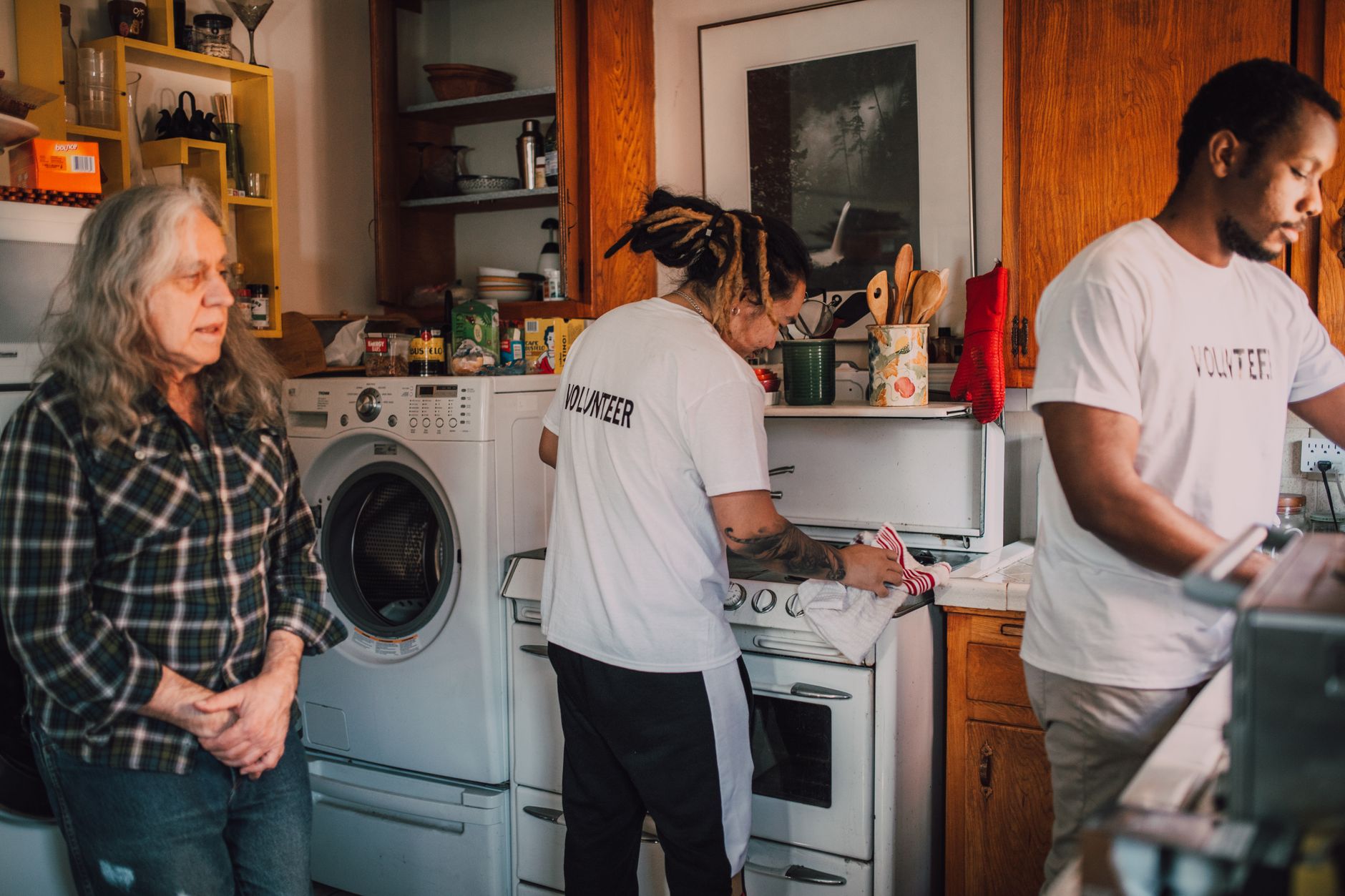
Your board needs a treasurer, someone with food safety knowledge and a safeguarding lead. Residents who have already looked into how to become a school governor make excellent trustees, because they understand budget scrutiny, policy reviews and holding a manager to account. Aim for five to nine trustees and meet at least quarterly, with minutes filed.
The cafe can also become a civic hub. Residents researching neighbourhood watch scheme how to start guidance, or looking for a warm space in winter, will return if you host a monthly drop-in with your police community support officer. These regular slots strengthen grant bids around community safety and cohesion.
Marketing, Partnerships and Measuring Social Impact
Local marketing costs little but demands consistency. Claim a free Google Business Profile, post weekly in neighbourhood Facebook groups and on Nextdoor, and drop 5,000 A5 leaflets, which usually cost under £100 to print. A launch week with free coffee for the first 100 visitors creates word of mouth that paid adverts rarely match.
Partnerships multiply reach. If you have outdoor space, starting a community garden UK housing associations and councils will support can supply herbs, salad leaves and a volunteer pipeline; groups such as Social Farms & Gardens offer free guidance. Growing sessions also qualify for health and green-space funding that a cafe alone could not access.
Seasonal events deliver both income and publicity. Once your committee understands how to run a village fete, covering road closure requests, public liability cover, food stall registration and raffle rules for non-commercial events, a summer fair or Christmas market can raise £1,500 to £5,000 in a single afternoon for your cafe fund.
Finally, measure what matters. Track covers served, free meals given, volunteer hours and repeat visitors, and run a short loneliness questionnaire twice a year. Treat your community cafe business plan UK partners have endorsed as a living document, reviewing figures quarterly so that funders see progress in numbers, not just stories.
How much does it cost to open a community cafe in the UK?
Start-up costs usually fall between £10,000 and £30,000, depending on whether the venue already has a commercial kitchen. Taking over a fitted church hall kitchen can keep spending near the lower figure, while converting an empty shop with new extraction, flooring and accessible toilets can push the total well beyond £40,000.
Running costs matter just as much. Plan for rent or hire fees, utilities, insurance, stock and a part-time coordinator, which together often reach £2,500 to £4,000 a month. Holding three months of operating costs in reserve is a sensible target and something most grant assessors check before approving an award.
Funding typically comes from a mix of sources: National Lottery Awards for All small grants, local authority community funds, supermarket community schemes and crowdfunding. Many groups also secure donated equipment from closing cafes or corporate partners, which can reduce the initial capital requirement by several thousand pounds.
Is a community cafe allowed to make a profit?
Yes. A community cafe can and should aim to generate a surplus, because profit is what funds free meals, equipment replacement and staff pay rises. The difference from a private cafe lies in where that surplus goes: it must be reinvested in the social mission rather than distributed to owners or shareholders.
A CIC is protected by an asset lock and a cap on dividends where it issues shares, while a CIO cannot distribute profits at all. A charity whose cafe trading goes beyond its charitable purposes should route that activity through a trading subsidiary, which then gifts its taxable profits back to the parent.
Being profitable also strengthens every future funding bid. Grant panels increasingly favour projects with a credible route to sustainability, so a cafe that covers 60% of its costs through sales looks far safer than one relying entirely on donations. Aim to publish a simple annual summary showing how each pound of surplus was reinvested.
What should I include in a community cafe business plan UK funders will trust?
Start with an executive summary of one page, followed by your mission, evidence of local need, target users and legal structure. Funders read dozens of applications, so the first two pages must explain clearly who benefits, what problem you solve and why your group is the right one to deliver it.
The operational section should cover the venue, opening hours, menu, pricing, staffing, volunteer management and food safety procedures. Add a marketing plan, a risk register listing issues such as volunteer shortages or equipment failure, and partnership letters from organisations like your local council, GP surgery or housing association.
The financial section carries the most weight. Include a start-up budget, a three-year cash flow forecast, break-even analysis and three scenarios, plus a list of confirmed and pending funding. Finish with measurable outcomes, such as 5,000 meals served or 40 regular volunteers in year one, so assessors can judge value for money.