

Community Volunteering Opportunities UK: Make a Real Local Impact
Finding community volunteering opportunities UK has never been more accessible or rewarding. Whether you’re seeking to dedicate a few hours monthly or become deeply involved in local initiatives, the UK offers countless ways to contribute meaningfully to your neighbourhood. Community volunteering opportunities UK range from environmental projects to supporting vulnerable populations, animal welfare initiatives, and educational programmes. Much like choosing the right pet—such as when someone searches for a french bulldog puppy for sale or a puppy french bulldog for sale—selecting the right volunteer role requires understanding your passions and available time. Just as pet owners might research puppy for sale french bulldog options or french bulldog puppy for sale uk listings, potential volunteers should explore various sectors. From supporting local charities to mentoring young people, community volunteering opportunities UK provide tangible ways to strengthen social bonds. Whether your interest lies in traditional volunteering or emerging sectors, the landscape of community service continues to expand, offering unprecedented opportunities for meaningful engagement across the United Kingdom.
Understanding Community Volunteering in the UK
Community volunteering forms the backbone of social cohesion across the United Kingdom, representing millions of hours contributed annually by dedicated individuals. The voluntary sector encompasses healthcare support, education, environmental conservation, and animal welfare—sectors as diverse as someone seeking a british bulldog puppy for sale near me or exploring english bulldog puppy for sale near me options. Volunteers aged sixteen to seventy-five actively participate in organised programmes, with approximately one in four UK adults volunteering formally at least once yearly. The economic value of volunteer work exceeds £50 billion annually, demonstrating substantial societal impact. Community volunteering opportunities UK create scaffolding for neighbourhoods, enabling local organisations to extend services, reach vulnerable populations, and maintain essential programmes. Unlike selecting a blue french bulldog puppy for sale based purely on aesthetics, volunteer selection involves matching personal skills, values, and availability with genuine community needs. This strategic alignment ensures volunteers remain engaged and feel genuinely valued.
The infrastructure supporting community volunteering has evolved considerably, with digital platforms now connecting volunteers with opportunities instantaneously. Local councils, charities, and community interest companies collectively advertise thousands of positions monthly across the UK. Volunteer roles encompass everything from administrative support to hands-on service delivery, reflecting the diverse nature of community needs. Many organisations offer training programmes, ensuring volunteers develop new competencies regardless of prior experience. The commitment required varies significantly—some roles demand regular weekly presence, while others accommodate flexible, occasional participation. Whether someone exploring community involvement possesses professional credentials or simply genuine enthusiasm, opportunities exist at every skill level. This democratisation of volunteering ensures that barriers to entry remain minimal, encouraging broader societal participation in community strengthening activities.
Types of Community Volunteering Roles Available
Community volunteering opportunities UK span remarkably diverse sectors, each addressing specific local and national needs. Environmental volunteering includes conservation projects, woodland management, litter collection initiatives, and sustainable agriculture support. Social care volunteering encompasses supporting elderly residents, assisting disabled individuals, and providing companionship to isolated community members. Education-focused roles involve mentoring school children, supporting literacy programmes, and providing homework assistance in disadvantaged areas. Just as organisations specialising in puppy french bulldog for sale uk maintain standards and expertise, volunteer organisations carefully match individuals with appropriate roles. Healthcare volunteering includes hospital support, hospice assistance, and mental health advocacy work. Community development roles involve neighbourhood improvement projects, local event organisation, and community centre activities. Animal welfare volunteering—whether supporting shelters or rescue operations—provides rewarding opportunities for those passionate about creatures ranging from rescue dogs to understanding why someone might search for an american bulldog puppy for sale near me or mini bulldog puppy for sale. Arts and culture volunteering supports museums, galleries, theatres, and cultural festivals. Sports and recreation volunteering helps youth programmes, community fitness initiatives, and disability sport organisations.
Religious and faith-based organisations offer substantial volunteering opportunities, managing food banks, homeless support, counselling services, and community meals. Refugee and migrant support represents a growing sector, with volunteers providing language assistance, cultural orientation, and practical navigation help. Homelessness initiatives employ volunteers in shelter operations, outreach programmes, and rehabilitation support services. Youth work volunteering engages mentors, activity leaders, and pastoral support workers across schools, youth centres, and residential facilities. Emergency and disaster response volunteering through the British Red Cross, Volunteer Police Cadets, and local emergency planning groups provides structured opportunities. Community gardening and food security projects empower residents while addressing nutritional needs. Heritage and history volunteering supports museums, historical societies, and archaeological projects. Legal advice volunteering assists those unable to afford professional services, administered through established law centre networks.
Sector-Specific Opportunities
Healthcare and social care represent the largest volunteering sector in the UK, accounting for approximately thirty percent of all volunteer positions. Hospitals actively recruit volunteers for patient support roles, with positions typically requiring monthly commitment levels of four to eight hours. Mental health support volunteering has expanded significantly, with organisations like Mind and Rethink Mental Illness offering peer support volunteer roles paying between £8.50-£10.42 per hour—some roles provide expense reimbursement, though traditional volunteering remains unpaid. Environmental volunteering through organisations like the Wildlife Trust and British Trust for Ornithology engages thousands monthly in conservation work. Education volunteering with charities like Reading Volunteers and national numeracy programmes directly impacts child development outcomes, with research indicating volunteer-mentored children improve academic performance by fifteen to twenty percent on average.
Finding and Applying for Roles
Searching for community volunteering opportunities UK begins most effectively through dedicated platforms like Do-it.org, which advertises over ninety thousand volunteer positions nationally. The National Council for Voluntary Organisations (NCVO) maintains comprehensive directories of registered charities and volunteer-seeking organisations. Local volunteer centres exist in nearly every UK community, providing personalised matching services considering individual interests, skills, and location. Your local council’s community development team often maintains volunteer opportunity registers. When applying, organisations typically require completion of brief application forms, references from previous employers or community members, and eligibility confirmation. Many roles, particularly those involving vulnerable adults or children, require Disclosure and Barring Service (DBS) checks—typically completed free by organisations. The application process typically takes two to four weeks, with interviews sometimes conducted informally over coffee rather than formally. Unlike researching french bulldog puppy price uk before purchase, selecting volunteer roles requires understanding organisation mission alignment rather than financial investment.
Benefits and Rewards of Community Volunteering
Community volunteering opportunities UK deliver profound personal, social, and economic benefits to participants and communities alike. Volunteers report significantly improved mental health outcomes, with fifty-five percent indicating enhanced emotional wellbeing after commencing volunteer work. Physical health improvements emerge through increased activity levels, social connection reducing isolation-related health risks, and stress reduction through purposeful engagement. Career development benefits prove substantial, with ninety percent of volunteers acquiring new skills, sixty-eight percent improving employment prospects, and many subsequently securing paid positions within organisations they initially volunteered for. Much like how someone selecting a mini bulldog puppy for sale researches breed characteristics, potential volunteers benefit from understanding how specific roles develop transferable competencies. Professional skills including project management, communication, teamwork, and technical abilities develop through meaningful volunteer work. Young people volunteering during school holidays or university breaks demonstrate improved academic focus and career clarity upon resumption of studies.
Social benefits extend beyond individual participants to broader community strengthening. Volunteering builds social capital, fostering community cohesion and reducing polarisation through sustained interaction between diverse populations. Neighbourhoods with active volunteer programmes demonstrate lower crime rates, improved public health outcomes, and enhanced residents’ sense of belonging. Community organisations delivering services would cease operations without volunteer support—food banks, for instance, rely entirely on volunteers for sorting, packing, and distribution of food parcels. Mentoring programmes demonstrate measurable impact, with mentored young people fifty percent more likely to attend university and substantially less likely to engage in criminal activity. Environmental volunteering visibly improves neighbourhood aesthetics while delivering ecological benefits through species habitat restoration and pollution reduction. Economic benefits extend beyond the £50 billion annual value, including reduced public service demand through preventive volunteer work, increased civic participation raising voter turnout, and cultural enrichment through heritage and arts volunteering.
Getting Started with Community Volunteering
Commencing your journey with community volunteering opportunities UK requires straightforward, practical steps manageable within your existing schedule. Begin by clarifying personal motivations—whether seeking social connection, skills development, career exploration, or genuine community service desire. Assess your available time honestly, determining whether you can commit two hours weekly, monthly, or occasionally. Consider geographical parameters; most effective volunteering occurs within reasonable travel distance from your home or workplace. Identify sector interests through reflection on previous achievements, natural talents, and causes resonating with personal values. Just as someone researching english bulldog puppy for sale near me considers location and breeder reliability, prospective volunteers benefit from investigating organisation stability and reputation. Visit Do-it.org or your local volunteer centre, filtering opportunities by location, time commitment, and sector. Register profiles highlighting your skills, background, and availability. Most organisations respond within two weeks to initial enquiries, arranging informal conversations before formal application. Prepare personal references from previous employers, teachers, or community leaders who can credibly describe your reliability and interpersonal strengths.
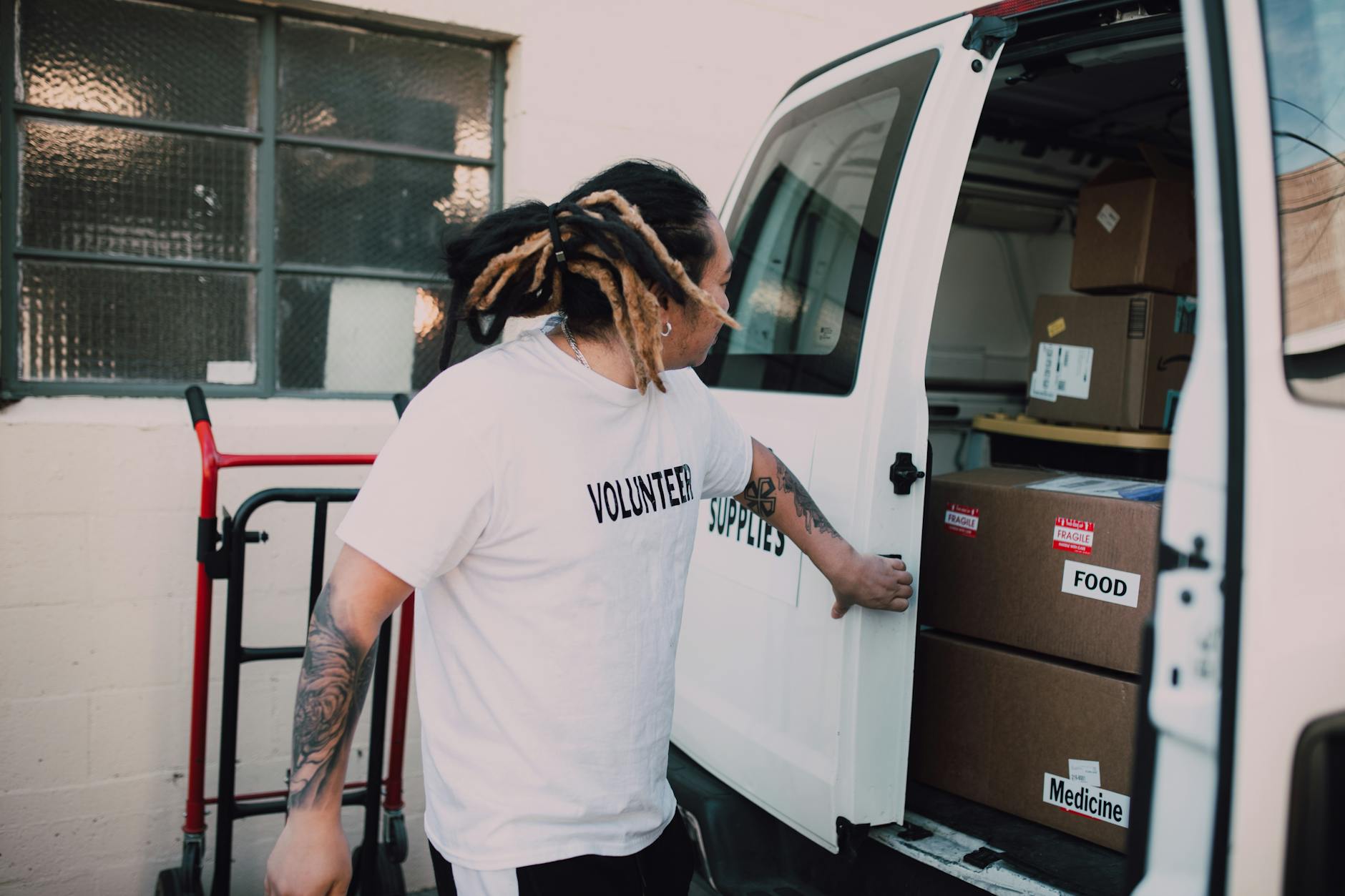
Pre-volunteering preparations improve experience quality significantly. Confirm transportation arrangements, considering public transport accessibility or parking availability. Understand what to wear—some roles require professional dress, others permit casual clothing. Clarify expenses coverage—organisations typically reimburse travel costs and meals, though this varies. Review organisation documentation, understanding their mission, values, and operational structure. Attend any offered induction training, which typically occupies two to four hours and provides essential context, health and safety information, and role-specific instruction. Establish clear communication channels with your volunteer coordinator, obtaining contact details for questions arising during volunteer work. Set personal boundaries regarding availability and capacity, communicating these transparently to avoid overcommitment. Many volunteers initially commit three to six months, allowing sufficient time to evaluate role suitability before long-term commitment. If initial role selection proves mismatched, organisations typically accommodate transitions to alternative positions without penalty. Remember that volunteering should enhance wellbeing; if an experience proves unsustainable or misaligned, communicating this allows organisations to reassign you appropriately.
Overcoming Barriers to Community Volunteering
Potential volunteers frequently encounter barriers preventing engagement, yet most prove surmountable through informed navigation. Time constraints represent the most commonly cited obstacle, with many believing volunteering requires substantial weekly commitment. However, community volunteering opportunities UK increasingly accommodate flexible arrangements—crisis telephone support roles permit single-hour shifts, remote volunteering eliminates travel time, and project-based volunteering concentrates commitment into specific timeframes. Childcare responsibilities create substantial barriers for parents, yet increasingly organisations provide on-site childcare, family-friendly volunteering, or home-based opportunities. Transport challenges particularly affect elderly individuals and those without vehicle access; many organisations arrange volunteer transport, whilst rural communities increasingly adopt digital volunteering. Health conditions and disabilities need not prevent volunteering—organisations make reasonable adjustments including flexible schedules, modified task descriptions, and accessible facilities. Whether someone researching blue french bulldog puppy for sale price considers affordability, prospective volunteers should recognise that organisation support makes volunteering financially accessible—expenses cover travel costs, meals, and necessary equipment.
Confidence barriers affect many potential volunteers, particularly those from underrepresented backgrounds or lacking previous experience. Organisations actively encourage newcomers, providing comprehensive training and mentoring ensuring success regardless of prior knowledge. Language barriers for migrant communities are increasingly addressed through interpretation services, multilingual materials, and culturally sensitive organisation practices. Previous negative experiences—such as exploitation, discrimination, or mismatched roles—understandably create hesitation; however, established quality standards and regulatory frameworks increasingly protect volunteer welfare. Mental health concerns including anxiety about social interaction or depression reducing motivation are legitimately addressed through counselling support, gradual engagement progression, and recovery-focused organisations specialising in mental health volunteer support. Geographic isolation in rural areas poses connectivity challenges, addressed through increased digital volunteering opportunities and volunteer transport coordination. Addressing these barriers requires proactive communication with organisations, clearly articulating challenges and exploring collaborative solutions. Most organisations have decades of experience accommodating diverse circumstances, possessing flexible systems designed precisely for real-world complexity.
Measuring Impact and Progressing in Volunteering
Understanding volunteer impact transforms occasional participation into meaningful contribution and career development. Most organisations implement formal impact measurement, tracking outcomes including service beneficiaries reached, lives directly supported, and community changes achieved. Volunteers benefit from understanding how their specific work contributes—whether mentoring results in improved school attendance, environmental work restores habitat biodiversity, or food bank participation prevents childhood malnutrition. Request regular feedback from volunteer coordinators, enabling performance recognition and identifying professional development opportunities. Many organisations offer progression pathways, advancing committed volunteers into leadership, training, or specialist roles. After twelve months service, volunteers frequently transition into committee membership, project leadership, or paid employment with their organisation. Professional development training including safeguarding certification, first aid qualifications, and management training enhances both personal capability and career prospects. Consider documenting volunteer experience through references and skills attestations supporting future employment applications. Digital platforms increasingly provide volunteer portfolios and digital badges verifying specific competencies developed through volunteer work. Just as someone considering a puppy french bulldog for sale uk might research breeder qualifications, volunteers benefit from understanding organisation accreditation status through standards bodies like Investors in Volunteers.
Tracking personal development ensures volunteering delivers promised benefits. Maintain simple records documenting hours contributed, skills developed, relationships formed, and community impact witnessed. Reflect periodically on changed perspectives, increased confidence, and expanding networks resulting from volunteer engagement. Many volunteers report profound life changes—career transitions, relocated residences to communities they initially volunteered in, or lifelong friendships formed through volunteer collaboration. Some volunteers transition from beneficiaries receiving support to volunteer supporters—for instance, individuals who experienced homelessness later volunteering with homeless organisations, or those receiving mental health support subsequently becoming peer supporters. These transitions demonstrate how community volunteering opportunities UK create virtuous cycles strengthening social resilience. Consider mentoring new volunteers, completing the cycle from receiving support to providing it. Some volunteers eventually establish community organisations or social enterprises addressing gaps they identified through volunteering. Celebrating volunteer achievements through organisation recognition events, social media features, and formal testimonials reinforces positive experience and encourages sustained commitment.
FAQs About Community Volunteering Opportunities UK
How can I find community volunteering opportunities UK matched to my specific interests and location?
Finding precisely matched community volunteering opportunities UK has become straightforward through multiple accessible channels. Start with Do-it.org, the UK’s largest dedicated volunteering platform hosting over ninety thousand current opportunities searchable by postcode, sector, time commitment, and specific interests. Your local volunteer centre—accessible through your council or National Association for Volunteer Centres website—provides personalised matching services where trained staff discuss your interests, skills, and availability before recommending specific organisations. Local councils maintain volunteer opportunity registers often featuring community projects. Sector-specific organisations like the Wildlife Trust, Mind, and British Red Cross advertise volunteer positions directly through their websites. Social media platforms including Facebook and LinkedIn increasingly feature volunteer opportunity announcements from local charities and community groups. When searching, don’t hesitate contacting organisations directly—community volunteering opportunities UK exist beyond formal advertisements, with many roles available for capable individuals expressing genuine interest. Register with multiple platforms simultaneously, enabling you to review numerous opportunities and identify best matches. The application process typically involves brief registration, potential interview, and reference provision. Most organisations respond within two weeks, arranging informal conversations before formal commitment. Specialised platforms exist for remote volunteering, family-friendly opportunities, and roles accommodating specific health conditions or disabilities.
Is community volunteering suitable for individuals with limited time availability or health conditions?
Absolutely—modern community volunteering opportunities UK specifically accommodate limited time availability and various health conditions through flexible, creative arrangements. Time-constrained individuals benefit from project-based volunteering concentrating efforts into specific initiatives rather than recurring weekly commitments, as well as remote opportunities eliminating travel time. Crisis support hotlines, event-based volunteering, and occasional mentoring roles accommodate single-hour or monthly participation. Organisations increasingly recognise that quality matters more than quantity; occasional dedicated volunteers often deliver greater impact than uncommitted regular participants. Health conditions need not prevent volunteering—organisations legally must implement reasonable adjustments under the Equality Act 2010. This includes modified task descriptions, accessible facilities, flexible schedules, and supportive colleague relationships. Volunteers with mobility issues might engage in administrative support, telephone mentoring, or virtual community work. Mental health conditions increasingly qualify for specialist volunteer support through recovery-focused organisations like Rethink Mental Illness and Mind, which employ volunteers within recovery-centred environments. Chronic illness volunteers benefit from pacing control and flexible rescheduling if health fluctuations occur. Vision and hearing impairments are accommodated through technology, reader services, and adapted materials. Neurodivergent volunteers thrive in structured roles with clear expectations and understanding management. Organisations actively recruiting diverse volunteer bases typically possess experience managing various access needs. Communicate health needs transparently during application; most organisations welcome this information enabling better support provision rather than viewing it as liability.
What skills and experience do I need to commence community volunteering opportunities UK?
Community volunteering opportunities UK welcome participants regardless of previous experience or formal qualifications—genuine enthusiasm and reliability matter far more than credentials. Entry-level roles require minimal experience, with organisations providing comprehensive training regardless of participant background. Basic requirements include reliability (attending scheduled shifts), genuine interest in the cause, ability to interact respectfully with diverse individuals, and willingness to learn. Professional volunteers bring existing expertise—accountants supporting charities financially, teachers mentoring students, healthcare workers assisting health charities—but these remain entirely optional. Many organisations specifically recruit individuals from disadvantaged backgrounds, offering training developing employment-relevant skills while delivering community service. Young people aged sixteen to eighteen often volunteer for first-time work experience, developing foundational workplace competencies. Retired professionals frequently volunteer, sharing accumulated knowledge while maintaining intellectual engagement. Language skills enhance refugee support roles, but aren’t mandatory—many organisations provide interpreter services. Communication abilities matter more than educational background; some roles require written clarity whilst others emphasise listening skills and empathy. Volunteering itself develops transferable skills including teamwork, problem-solving, adaptability, and time management. Organisations often provide qualifications including first aid, safeguarding, data protection, and sector-specific training free to volunteers. Some volunteers transition from volunteers into paid staff, with volunteer experience substantially strengthening employment applications. The primary requirement involves demonstrating commitment and willingness to contribute—skills and experience develop naturally through engagement.