
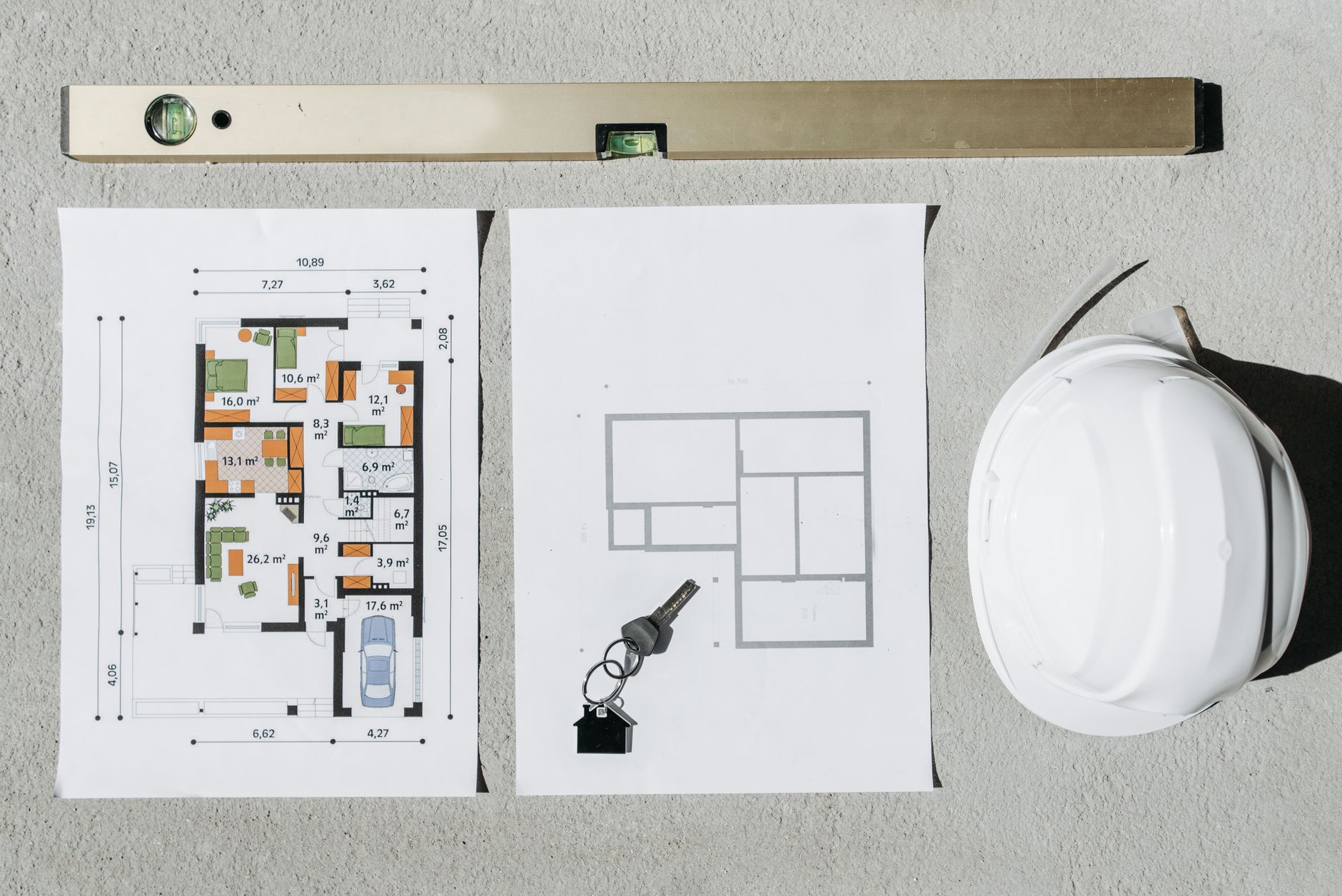
Council Planning Appeals: A Practical Guide for UK Applicants
Council planning appeals are the formal route to challenge a local authority decision when your application is refused, approved with unacceptable conditions, or left undetermined past the statutory deadline. Roughly one in three council planning appeals in England succeeds, so a refusal is a setback rather than a full stop. The Planning Inspectorate, an independent body separate from your council, reappraises the proposal against the development plan and material considerations, and its inspector can substitute their own judgement for the committee’s. Householders challenging a rear extension, small firms seeking change of use, and residents fighting an enforcement notice all use the same system, though the deadlines and paperwork differ sharply. This guide covers timing, procedure choice, evidence, realistic costs in pounds, and the mistakes that sink otherwise winnable cases, so you can decide quickly whether appealing, amending, or reapplying gives you the better return.
Deciding Whether an Appeal Beats a Fresh Application
Appealing is not automatic. Compare the refusal reasons against the free repeat application route: most councils allow one fee-free resubmission within twelve months on the same site, which suits refusals turning on a detail such as roof height, glazing overlooking a neighbour, or a materials palette that an officer flagged as unsympathetic.
Appeal instead when the disagreement is about principle rather than detail, such as whether the site is suitable for the use at all, whether a policy has been misapplied, or whether a condition is unreasonable. Inspectors overturn roughly a third of decisions, and the rate climbs when a council refuses against its own officer recommendation.
Timing shapes the choice as well. A revised application typically returns a decision in eight to thirteen weeks; a written representations appeal on a householder case runs longer, and a standard case can take six months. If you need certainty before a build slot or a mortgage offer expires, that gap matters.
Reading the refusal notice line by line
Refusal notices are short, and each numbered reason becomes a separate battleground. Identify the policy references, then read those policies in full rather than the summary quoted by the case officer. Councils sometimes cite a policy that has been superseded, carries reduced weight, or simply does not apply to your particular site.
Deadlines, Forms and the Three Council Planning Appeals Procedures
Deadlines are strict and cannot be extended. Householder and minor commercial refusals must reach the Planning Inspectorate within twelve weeks of the decision date. Most other refusals, including listed building consent, allow six months. Enforcement notice appeals must arrive before the notice takes effect, often within twenty-eight days.
Procedure choice follows complexity. Written representations handle the large majority of cases and cost the least; a hearing suits proposals needing round-table discussion of technical evidence; an inquiry, with advocates and cross-examination, is reserved for major schemes or contested factual disputes such as intensity of use.
Submit through the Appeals Casework Portal, uploading the application, plans, decision notice and your statement. Do not serve papers on the council separately, because the Inspectorate handles that. Late or incomplete submissions are returned as invalid, and an invalid appeal filed on the final day is simply lost.
| Appeal type | Deadline from decision | Usual procedure | Typical time to decision |
|---|---|---|---|
| Householder extension | 12 weeks | Written representations | 8 to 12 weeks |
| Full planning refusal | 6 months | Written representations | 5 to 7 months |
| Change of use or commercial | 6 months | Written reps or hearing | 6 to 9 months |
| Enforcement notice | Before notice takes effect | Hearing or inquiry | 9 to 12 months |
| Condition removal | 6 months | Written representations | 4 to 6 months |
Building an Evidence Pack an Inspector Can Use
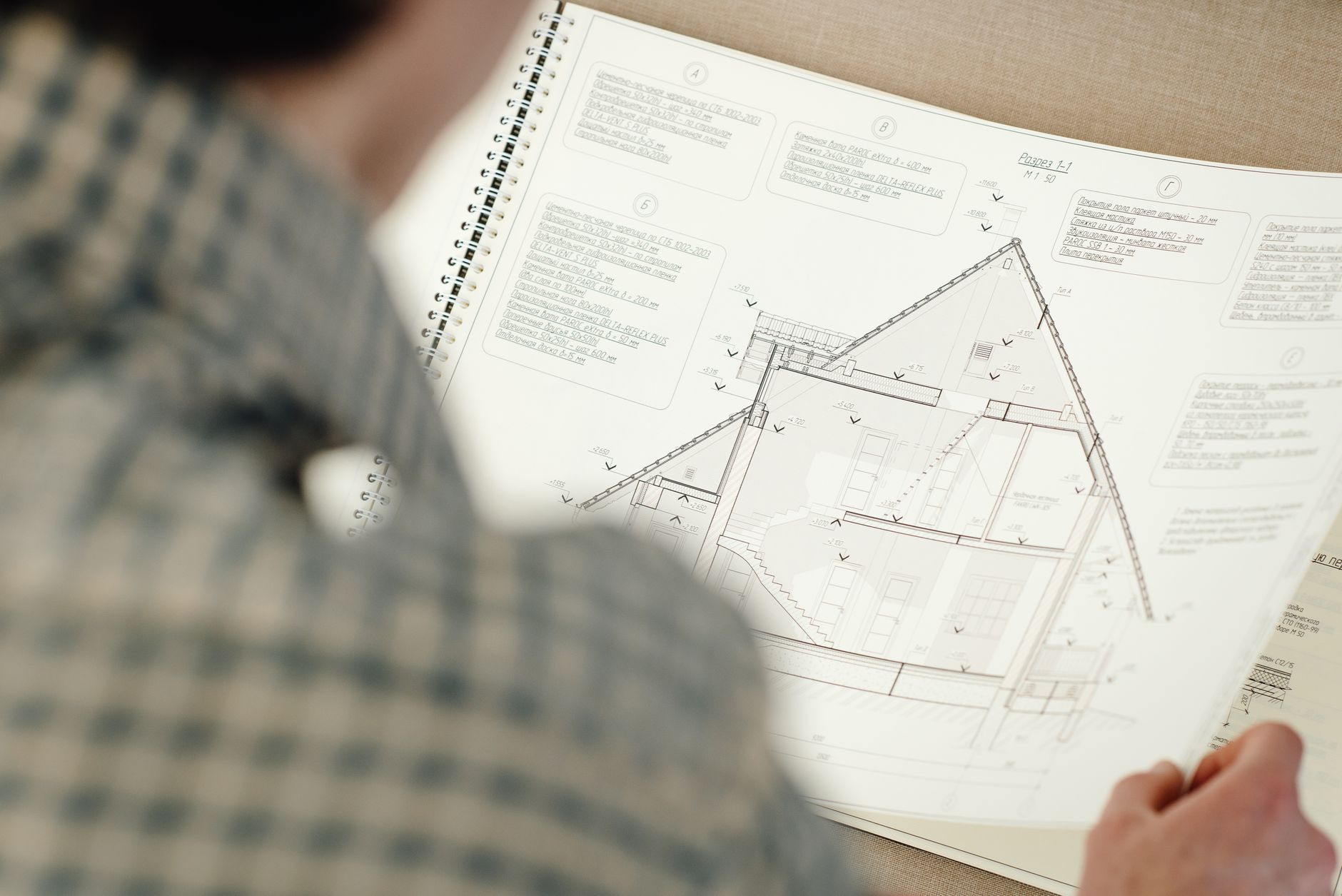
An inspector reads the appeal file cold, usually visiting the site for thirty to sixty minutes. Everything they need must sit inside the documents. Vague assertions about character or need carry little weight; measured drawings, dated photographs, and figures tied to a named policy carry a great deal.
Structure your statement around the refusal reasons in order, answering each one and stating the policy test you meet. Add comparable approvals from the same ward, with reference numbers, where the council has already accepted a similar form of development. Consistency arguments are among the most effective available.
Address harm directly rather than denying it. If a scheme causes some overlooking, quantify the separation distance in metres, show the mitigation, and argue proportionality. Inspectors respond to balanced judgement, and an appellant who concedes a minor point gains credibility on the points that decide the case.
- Annotated site plan at 1:200 showing distances to every affected boundary
- Dated photographs of the site and of comparable development nearby
- Reference numbers for at least three similar approvals in the same authority
- Specialist reports where relevant: noise, drainage, ecology, highways
- A short chronology of pre-application advice and officer correspondence
- Written neighbour support, signed and dated
Home breeding, kennels and animal-related change of use
Animal enterprises produce a disproportionate share of change-of-use disputes. A household that advertises a french bulldog puppy for sale once a year remains within ordinary residential use. Six litters annually, a booking system built around puppy french bulldog for sale, and twenty viewings a month is a material change requiring permission.
Enforcement officers arrive with a paper trail. Neighbours screenshot listings, and wording matters: an advert headed puppy for sale french bulldog beside photographs of a purpose-built kennel block reads differently from a single home-reared litter. With a french bulldog puppy price uk commonly quoted in the low thousands, scale is easy to infer.
Your appeal evidence should therefore match your marketing. Log visitor numbers for eight weeks, cap appointments, and supply any licence issued under animal welfare regulations. Where a licence exists, argue that its conditions already control noise, hours and dog numbers, leaving the planning issue far narrower than the council claims.
| Buyer search phrase | Planning question it raises | Evidence to supply |
|---|---|---|
| french bulldog puppy for sale uk | National marketing implying volume and courier delivery | Sales ledger and litter records |
| puppy french bulldog for sale uk | Repeat listings across successive seasons | Dated advert archive |
| english bulldog puppy for sale near me | Local buyer trips to the property each week | Trip generation note |
| puppy bulldog for sale near me | Unannounced callers and kerbside parking | Appointment-only policy |
| british bulldog puppy for sale near me | Catchment size and highway safety | Parking survey |
| blue french bulldog puppy for sale | Premium lines suggesting commercial stock value | Breeding register |
| mini bulldog puppy for sale | Number of adult dogs kept on site | Licence schedule |
| american bulldog puppy for sale near me | Kennel size, noise and waste handling | Noise assessment and waste plan |
What an Appeal Costs in Pounds
Lodging an appeal with the Planning Inspectorate is free. The expense sits in preparation. A planning consultant will draft a householder statement of case for roughly £600 to £1,500, and manage a full written representations appeal for £1,500 to £3,500 depending on the number of refusal reasons.
Technical reports dominate larger budgets. Expect around £400 to £900 for a preliminary bat survey, £800 to £1,800 for a noise assessment, and £1,500 to £3,000 for a transport statement. Hearings add a day of attendance, while inquiries add counsel at £1,500 to £3,000 per day plus preparation.
Costs awards run both ways. An inspector can order a council to pay your expenses where it behaved unreasonably, such as refusing without evidence or ignoring its own officer report, and can order an appellant to pay where a case is hopeless. Council planning appeals rarely recover the full outlay.
Why Appeals Fail and How to Avoid It
The most common failure is answering the wrong question. Appellants write about personal circumstances, cost, or the behaviour of the planning committee, none of which are material considerations. Inspectors decide on the development plan and material planning matters, and sympathy has no place in the reasoning at all.
The second failure is silence on a refusal reason. Leaving one point unanswered lets the inspector dismiss the appeal on that ground alone, even after accepting every other argument. Deal with each numbered reason explicitly, including any you consider trivial or already resolved by a minor amendment.
The third is late evidence. New material submitted after the deadline is usually excluded, and a proposal amended mid-appeal can fall outside the inspector’s remit because the council never considered it. Settle your drawings before you submit, and treat the appeal as a review of one fixed scheme.
How long do council planning appeals usually take?
Householder cases decided by written representations commonly conclude in eight to twelve weeks from validation, while a standard planning appeal takes five to seven months. Hearings add roughly two to three months because a date must suit all parties, and inquiries frequently run beyond a year once statements of common ground, proofs of evidence and sitting days are programmed. Enforcement appeals are slowest, partly because they combine grounds of appeal with a deemed application for permission. Council planning appeals also pause whenever the Inspectorate seeks further information, so build a realistic buffer into any construction or finance timetable rather than assuming the shortest published figure.
Is there a fee to appeal a council refusal?
No fee is payable to the Planning Inspectorate for a planning, listed building or enforcement appeal, which makes the formal process unusually accessible compared with court proceedings. The real cost is professional input: a consultant statement, revised drawings, and any specialist survey the council identified as missing. Householders regularly run a written representations appeal themselves for nothing beyond their own time, and outcomes for self-represented applicants are respectable where the case turns on design judgement rather than technical evidence. Budget instead for the risk of a costs award against you if you withdraw very late or introduce evidence the council has never had the chance to consider.
What evidence carries the most weight with a planning inspector?
Site-specific, measurable material beats general argument every time. Scaled drawings showing separation distances, shadow diagrams for daylight objections, and dated photographs taken from the viewpoints named in the refusal notice are consistently persuasive. Reference numbers for comparable approvals in the same authority matter because inconsistency is difficult for a council to defend. Where a technical objection exists, an independent report from a suitably qualified author addressing that specific concern usually settles it. Neighbour support letters help at the margins, whereas petitions, personal hardship and financial arguments rarely influence the outcome, because the inspector must apply planning policy to the land, not to the applicant.