
British Cultural Diversity: How Communities, Food and Even Dog Ownership Shape the UK
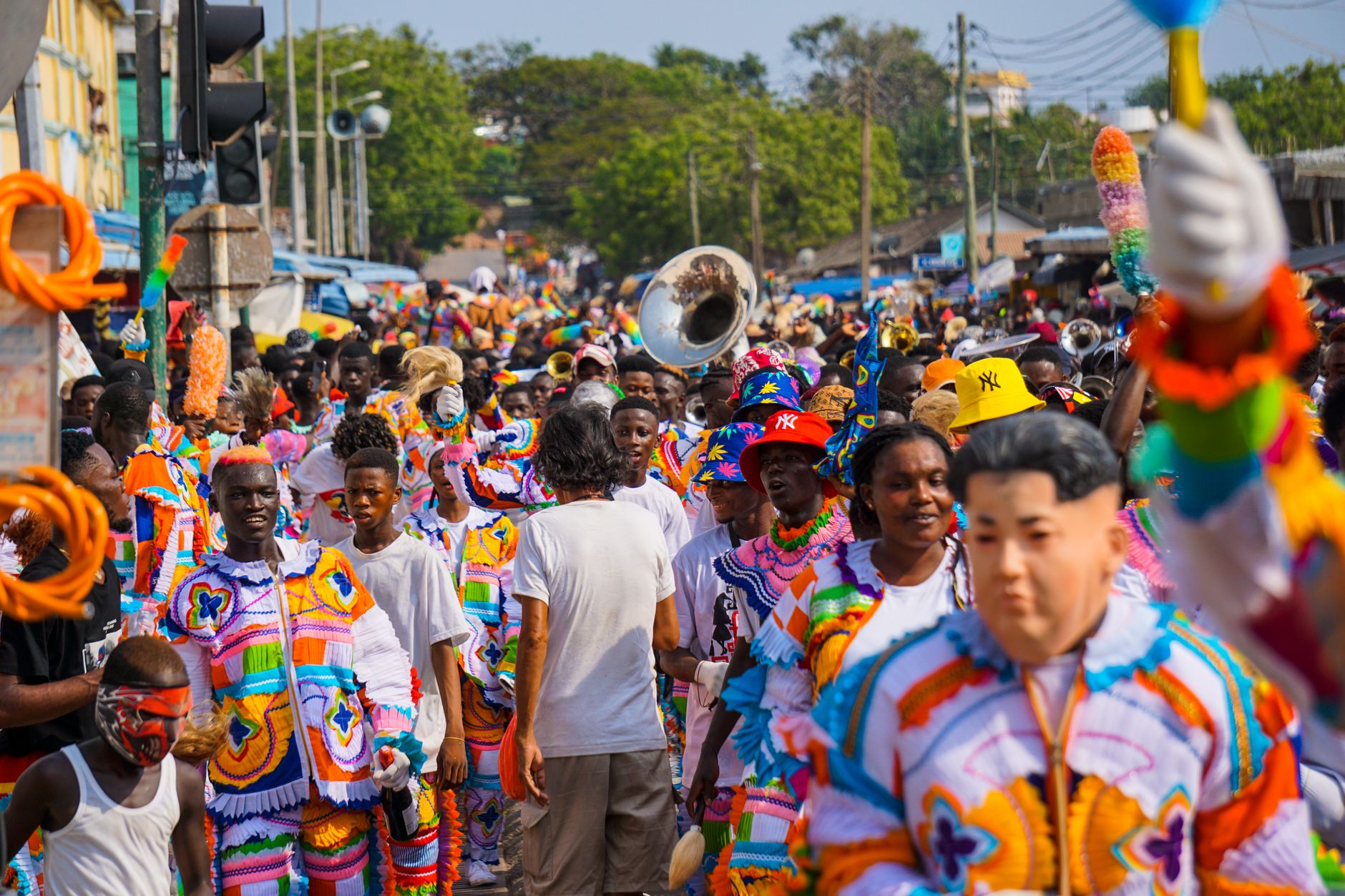
British cultural diversity is not a single story but thousands of overlapping ones, told in high-street shopfronts, faith calendars, allotment plots and family kitchens. Understanding british cultural diversity means looking past census categories and into daily habits: what people cook on a Tuesday, which festivals close the road, which language grandparents use, and which dog waits by the door. The most recent census recorded more than 300 languages spoken across England and Wales, with roughly one in six residents born outside the UK. Those figures translate into practical detail at street level – halal butchers beside Polish delicatessens, Diwali lights strung over Victorian terraces, and rescue centres rehoming breeds that arrived with migration waves. This guide examines the measurable side of that mix: population patterns, community institutions, food economics, and the revealing world of British pet ownership, where a search for a french bulldog puppy for sale says as much about identity as any household survey.
The Demographic Foundations of British Cultural Diversity
Migration into Britain predates the Empire by centuries: Huguenot weavers in Spitalfields, Jewish tailors in Leeds, Irish labourers in Liverpool. Each wave left street names, trades and recipes behind. The pattern is cumulative rather than replacing, which is why a single postcode can hold four distinct histories at once.
Census data shows around 82 percent of England and Wales residents identify as white, with roughly 9 percent Asian, 4 percent Black and 3 percent mixed heritage. Those national averages hide enormous local range: some London boroughs report over 60 percent of residents born abroad, while parts of rural Devon report under 5 percent.
Age structure matters as much as ethnicity. Second and third generation families now form the majority of many minority communities, meaning cultural identity is inherited and reinterpreted rather than imported. A teenager in Bradford or Leicester may speak Punjabi at home, Yorkshire English at school, and follow both Eid and the FA Cup with equal seriousness.
Regional Contrasts Beyond the Capital
Slough, Luton, Birmingham and Manchester each show distinct mixes shaped by industry rather than accident. Textile mills pulled workers from South Asia; car plants drew Caribbean engineers; university towns attract Chinese and Nigerian students. The economic reason behind each settlement still explains the shape of local shops decades later.
Community Institutions That Hold Neighbourhoods Together
Places of worship remain the densest network of community infrastructure in the country, with roughly 40,000 churches, 1,800 mosques, 450 gurdwaras and hundreds of synagogues and temples. Many run food banks, homework clubs and elderly lunches that reach far beyond their own congregations, often serving several hundred people weekly.
Secondary institutions do quieter work. Community centres, libraries, allotment associations and amateur football leagues create low-pressure contact between groups that might otherwise never meet. Research on social cohesion consistently shows that repeated informal contact, not one-off festivals, produces durable trust between neighbours.
Local councils fund a surprising share of this ecosystem through small grants, typically £500 to £5,000 per project. Groups that succeed usually share three traits: a physical venue, a predictable weekly slot, and at least one volunteer who has lived in the area for over a decade.
- Faith centres offering weekday community meals and language support
- Libraries hosting free ESOL classes and job clubs
- Allotment sites where growing practices cross generations and cultures
- Grassroots sports clubs with subsidised membership under £60 a season
- Residents associations coordinating street parties and clean-up days
Food, Retail and the Economics of a Mixed High Street
The UK curry sector alone supports roughly 12,000 restaurants and turns over several billion pounds annually. Add Turkish bakeries, Caribbean takeaways, Polish sklep chains and Vietnamese cafes, and the picture becomes clear: cultural variety is a serious commercial force, not a decorative extra on the high street.
Independent shops respond faster to local taste than national chains. A convenience store in a mixed neighbourhood may stock plantain, halloumi, ackee and Yorkshire tea on the same shelf, adjusting weekly. Margins are thin, typically 8 to 15 percent, so accuracy about what neighbours actually buy determines survival.
Property economics follow. Streets with varied independent retail often show stronger footfall resilience than those dominated by chains, because customers make multiple short trips rather than one weekly shop. That daily rhythm creates incidental conversation, which is precisely what community cohesion research identifies as valuable.
What Pet Ownership Reveals About Cultural Change
Britain keeps roughly 13 million dogs, and breed preferences shift with demographics and housing. Flat-dwelling city households gravitate toward compact companions, which is why listings for a puppy french bulldog for sale multiply in dense urban postcodes. Classified sites even log the scrambled phrasing puppy for sale french bulldog from hurried mobile searches.
Search behaviour maps neatly onto geography. Queries such as french bulldog puppy for sale uk spike hardest in London, Manchester and Birmingham, where average garden size is smallest. The variant puppy french bulldog for sale uk carries similar intent, and both reflect a continental breed adopted enthusiastically by a very British urban lifestyle.
Traditional preferences persist alongside newer ones. Households searching english bulldog puppy for sale near me often want the heritage silhouette printed on pub signs and rugby crests, while british bulldog puppy for sale near me signals the same emblematic attachment. The broader phrase puppy bulldog for sale near me covers buyers still weighing which type suits their home.
| Breed | Typical UK price range | Cultural association | Adult weight |
|---|---|---|---|
| French Bulldog | £1,500 – £3,500 | Urban flats, continental import | 9 – 13 kg |
| English Bulldog | £2,000 – £3,000 | National emblem, heraldic symbolism | 23 – 25 kg |
| American Bulldog | £800 – £1,800 | Smallholdings and working rural homes | 27 – 45 kg |
| Miniature or Victorian Bulldog | £1,200 – £2,200 | Health-driven modern breeding | 14 – 20 kg |
Colour Fashions and the Cost of Status
Rare coat colours carry premiums that mirror wider consumer culture. A blue french bulldog puppy for sale routinely commands £2,500 to £4,000, while the standard french bulldog puppy price uk range sits lower. Insurance for brachycephalic breeds often runs £45 to £90 monthly, a cost many first-time buyers overlook entirely.
Building Local Communities That Actually Include People
Inclusion works best when it is practical. Translating a council newsletter into three languages costs perhaps £300 and reaches households that would otherwise miss bin schedules, school deadlines and consultation notices. Small administrative choices determine whether people participate or quietly disengage from local decision-making.
Shared interests outperform shared identity as an organising principle. Dog walking illustrates this neatly: a park meeting point brings together retirees, students and families across every background. Someone who arrives after searching mini bulldog puppy for sale ends up in the same weekly conversation as a lifelong resident with a collie.
Local employers can contribute without complex programmes. Flexible shift patterns around major religious dates, apprenticeship outreach to under-represented schools, and supplier contracts with independent local businesses all keep money and opportunity circulating inside the community rather than draining outward to distant headquarters.
How does British cultural diversity change daily life in a small UK town?
The effects are concrete rather than abstract. Primary schools may register a dozen home languages, prompting bilingual reading schemes and additional teaching assistants. The corner shop extends opening hours for shift workers, and the local pharmacy stocks products serving different hair and skin needs. Sports clubs field mixed teams that recruit through word of mouth across communities. Council services adapt too, with burial provision, dietary requirements in school meals and interpreter budgets all reflecting the population. Residents typically report that everyday life feels ordinary rather than remarkable: neighbours swap plants, complain about parking, and attend the same summer fete regardless of origin.
Is cultural diversity in Britain limited to big cities?
No, though the concentration varies sharply. Cities remain the densest points of settlement, yet market towns and rural areas have changed significantly through agricultural labour, care sector recruitment, hospitality staffing and university expansion. Boston, Peterborough, Hereford and parts of coastal Scotland have all seen substantial population shifts within a generation. Rural diversity often lacks the supporting infrastructure found in cities, meaning fewer specialist shops, places of worship or community organisations within reasonable travel distance. That absence makes local institutions such as schools, GP surgeries and village halls disproportionately important, since they become the main meeting points where different groups build familiarity and practical cooperation.
What does dog ownership reveal about Britain’s cultural mix?
Pet choices track housing, income and identity with unusual clarity. Compact breeds dominate flat-heavy urban areas, while larger working dogs remain common where land is available, which is why searches like american bulldog puppy for sale near me cluster around semi-rural counties. Attachment to heritage breeds signals one relationship with national identity; enthusiasm for imported breeds signals another, and plenty of households hold both comfortably. Costs shape decisions as well, with purchase prices between £800 and £4,000, annual veterinary and insurance outlay frequently exceeding £1,000, and rescue adoption fees around £150 to £250 offering a widely used alternative route into ownership.