
Community First Responder How Join: The Complete UK Guide
The search phrase community first responder how join gets typed into UK search bars by thousands of people every year, usually within an hour of watching an ambulance take fifteen minutes to reach a rural address. Answering community first responder how join properly means covering four separate things that recruitment pages tend to blur together: which ambulance trust actually holds your application, what the eligibility bar really is, how long the training and mentoring genuinely takes, and what the role costs you in time, fuel and fundraising once you are operational. This guide walks through each stage with realistic timescales and figures, then places the role alongside the other local volunteering routes people usually consider at the same moment, from parish councils to food banks. The commitment is smaller than most applicants fear and the paperwork is slower than they hope.
What a Community First Responder Actually Does on a Shift
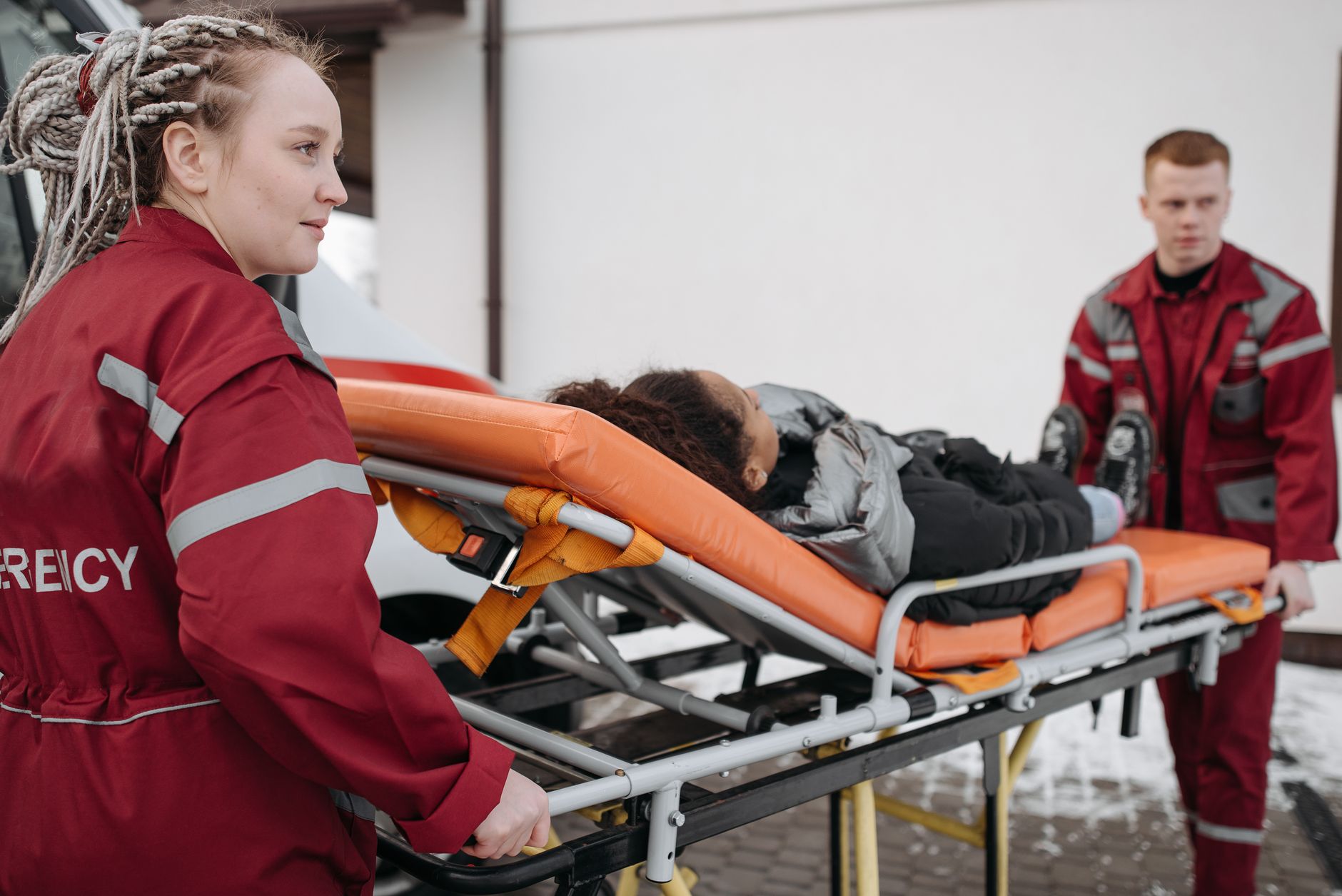
A community first responder is a trained volunteer dispatched by the regional ambulance service to Category 1 and Category 2 calls within a few miles of home or work. Typical jobs are cardiac arrest, chest pain, breathing difficulty, stroke and unresponsive patients, reached while the emergency vehicle is still travelling.
The value of the role is measured in minutes. Defibrillation within three to five minutes of collapse can lift survival odds from single figures to roughly one in two, so a responder living four streets away often arrives well before a crew dispatched from a station eleven miles up the main road.
Shifts are self-scheduled rather than allocated. Most schemes ask for a minimum of ten to twenty hours a month, booked as blocks through an app such as GoodSAM or the trust’s own rota portal. You go on duty from your sofa, your allotment or your desk, and stand down whenever you choose.
The Kit Bag and the Response Radius
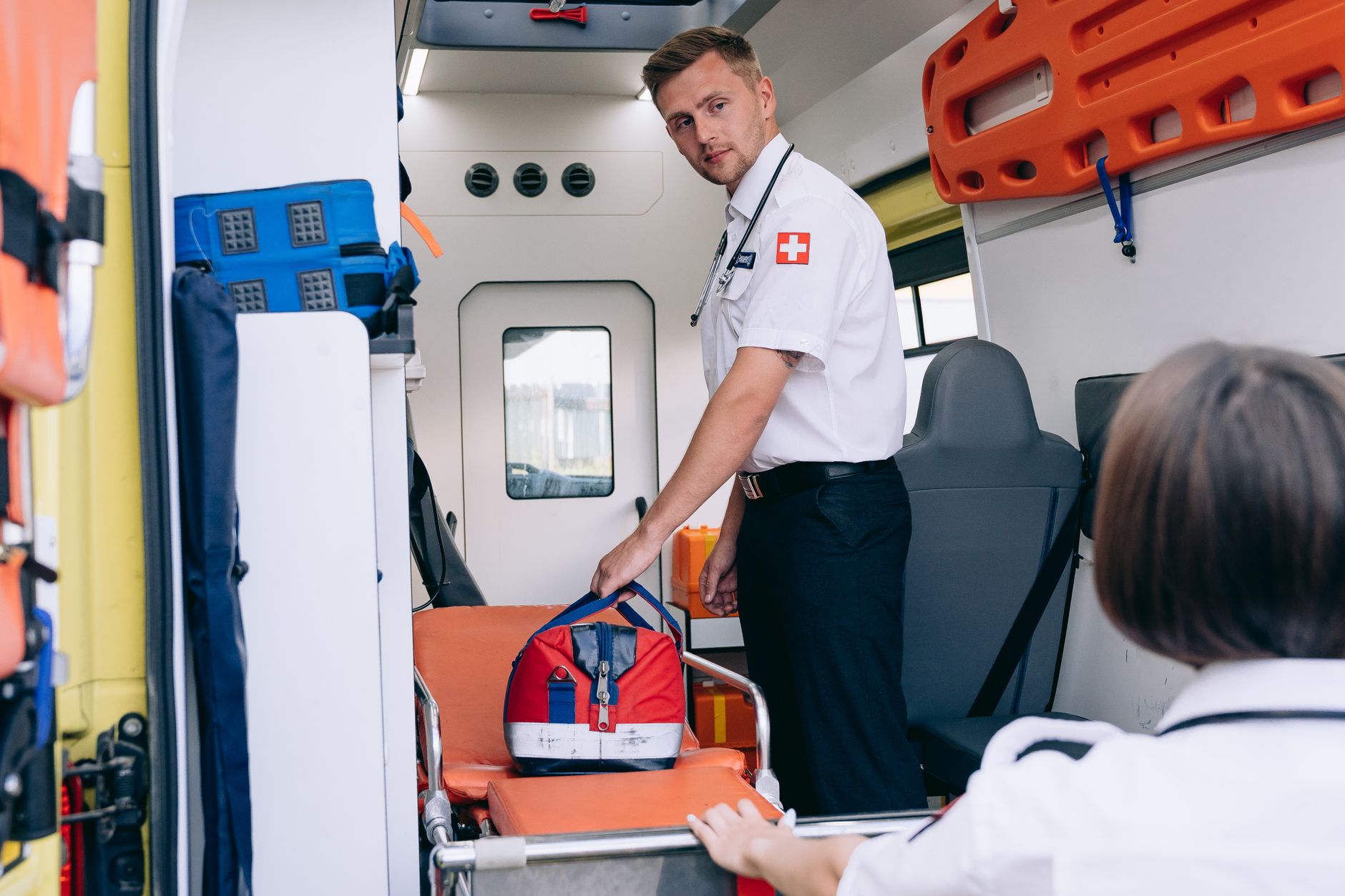
Standard issue is an automated external defibrillator, an oxygen cylinder with masks, a pulse oximeter, a blood pressure cuff, suction and a basic airway roll. Bags weigh eight to twelve kilograms. Response radius is typically three to five miles rural and one to two miles urban, set by drive time rather than raw distance.
You use your own car. There are no blue lights, no exemption from speed limits and no right to park illegally; responders drive as ordinary road users throughout. Most trusts reimburse fuel at roughly 30p to 45p per mile, claimed monthly through an expenses portal alongside any parking receipts.
Community First Responder How Join: The Application Route Step by Step
Applications go to the ambulance trust covering your postcode, never to a national body. Each of the ten English trusts, plus the Welsh, Scottish and Northern Irish services, runs its own recruitment cycle, and several open intakes only twice a year when a training cohort has been scheduled and funded.
Baseline requirements are broadly consistent across trusts: minimum age eighteen and occasionally twenty-one, a full UK driving licence held for twelve months, a roadworthy insured vehicle, an enhanced DBS check, two references, and enough physical capability to kneel and carry kit. Prior clinical experience is not required and most successful recruits have none whatsoever.
Anyone researching community first responder how join should budget eight to sixteen weeks from submitted form to first solo shift. The slowest stage is almost always the DBS return, which lands in three weeks or nine depending on address history. Trusts process applicants in cohorts, so a form sent the week after a deadline simply waits.
| Stage | Typical duration | Cost to you |
|---|---|---|
| Application form and eligibility screening | 1-2 weeks | Free |
| Informal interview or scheme visit | 1-3 weeks | Travel only |
| Enhanced DBS plus two references | 3-9 weeks | Free, trust pays around £38 |
| Initial classroom and practical course | 4-5 days | Unpaid time off |
| Mentored shifts with an experienced responder | 20-30 hours | Fuel, later reimbursed |
| Final sign-off and live activation | 1-2 weeks | Free |
Rejections are rare and usually procedural: an unspent relevant conviction, no driving licence, or a home postcode already saturated with responders. Trusts sometimes hold applications from oversubscribed towns while actively chasing recruits from villages fifteen minutes from the nearest ambulance station.
Training, Assessment and Keeping Your Skills Current
Initial training runs to roughly 30 to 40 contact hours, delivered as a four or five day block or across consecutive weekends. Content covers basic life support, AED use, oxygen therapy, primary survey, patient handover using ATMIST, scene safety, safeguarding, information governance and the radio or app dispatch system.
Assessment is practical rather than academic. You will run scenarios on a manikin under time pressure, demonstrate compressions at the correct depth and rate, manage a simulated choking casualty and give a clean verbal handover. Most schemes require a pass in every station, with one supervised retake offered a fortnight later.
Currency matters more than the initial certificate. Trusts typically mandate a quarterly skills session, an annual reassessment and a minimum call volume, often twelve to twenty jobs a year. Responders who drop below the threshold are stood down temporarily rather than removed, and reactivated after a refresher evening.
Funding, Fundraising and Running a Local Scheme
Most responder groups operate as small independent charities that raise their own money for kit, insurance and consumables. A replacement defibrillator runs £900 to £1,600, oxygen refills around £25 each, and public access cabinets £600 upwards. Anyone weighing how to set up a charity for this purpose should look at the Charitable Incorporated Organisation structure.
Fundraising is relentlessly local. Groups learn how to run a village fete because a single well-run summer event can clear £2,000 to £4,000 in an afternoon through pitch fees, a bar, a tombola and a barbecue. Budget for public liability insurance and a temporary event notice at roughly £21.
Venue economics decide whether smaller events break even, and village hall hire cost uk figures generally sit between £8 and £25 per hour, with weekend day rates of £60 to £150. Some committees waive fees for emergency response groups entirely. Retail income helps too: donating clothes to charity uk shops generates gift-aided revenue, and the best charity shops in london return several thousand pounds per square metre annually.
How Responding Fits Alongside Other Local Volunteering
Responder shifts sit oddly well with other commitments because you are on call at home rather than posted somewhere. Many responders also chair a committee, sit on a governing body or run a scheme, and the combination builds the local knowledge that helps enormously when you arrive at an address you already half recognise.
Food-related projects are the most common pairing. If you are wondering how to volunteer at food bank sessions, most Trussell and independent centres want two to four hour slots for sorting, weighing and client welcome. The uk food bank referral process runs through vouchers issued by schools, GPs, health visitors and Citizens Advice rather than self-referral, so front-of-house volunteers spend real time explaining eligibility gently.
Other routes overlap with responding in useful ways. A community fridge how it works question is answered simply: surplus stock from supermarkets and households is placed in a monitored fridge for anyone to take, with daily temperature logs and a strict exclusion on raw meat and reheated cooked food. Starting a community garden uk projects follows a similar governance pattern, usually a lease from the parish or district council.
Roles That Pair Well With an On-Call Rota
Governance roles demand evenings rather than daytime availability. How to become a school governor comes down to applying to the clerk of a local governing board, completing a DBS check and committing to roughly six full board meetings a year plus committee work, typically ten to fifteen hours per term overall.
Civic and safety roles work similarly. Parish council meeting rules uk require meetings to be publicly advertised three clear days in advance, held in public, and minuted, with a public participation slot at the start. Anyone asking about a neighbourhood watch scheme how to start needs six to ten interested households, a coordinator, a local policing team contact and a simple messaging group.
How Many Hours a Month Does a Community First Responder Really Commit?
The published minimum across most UK trusts is ten to twenty hours a month, but the honest average sits closer to twenty-five once you include quarterly skills sessions, kit checks, fundraising and travel. Duty hours are booked in blocks you choose, commonly two evening stints of four hours plus a weekend morning. Call volume varies enormously by geography: a responder in a dispersed rural patch might attend three or four jobs a month, while a busy market town scheme sees eight to twelve. Time on scene is usually twenty to forty minutes, with an extra fifteen for restocking and paperwork afterwards. Employers are not obliged to release you, so most people respond outside working hours.
Is There an Upper Age Limit for Becoming a Community First Responder?
No UK ambulance trust applies a fixed upper age limit, and a substantial share of active responders are retired, typically between fifty-five and seventy-five. What matters is functional capability rather than date of birth: you must kneel on hard ground and get back up, carry a bag of eight to twelve kilograms a reasonable distance, deliver chest compressions at 100 to 120 per minute for at least two continuous minutes, and hold a valid driving licence with satisfactory eyesight. Trusts run an occupational health screening at application and then annually, covering mobility, hearing, vision and any conditions affecting sudden exertion. Older recruits often prove the most reliable rota-fillers because their daytime availability covers the hours working-age volunteers cannot.
What Happens on Your Very First Solo Call After Sign-Off?
Your first activation arrives as an app alert or phone dispatch containing the address, what3words location, a brief chief complaint and the call category. You accept, drive as a normal road user, and on arrival complete a scene safety check before approaching. You carry out a primary survey, apply the defibrillator pads if the patient is unresponsive and not breathing normally, and begin compressions immediately if indicated. Control keeps a line open and the ambulance crew’s ETA updates continuously. When the crew arrives you give a structured handover, help with moving the patient, then restock and go back available. Every scheme offers a post-incident debrief, and confidential support lines exist for difficult jobs.