
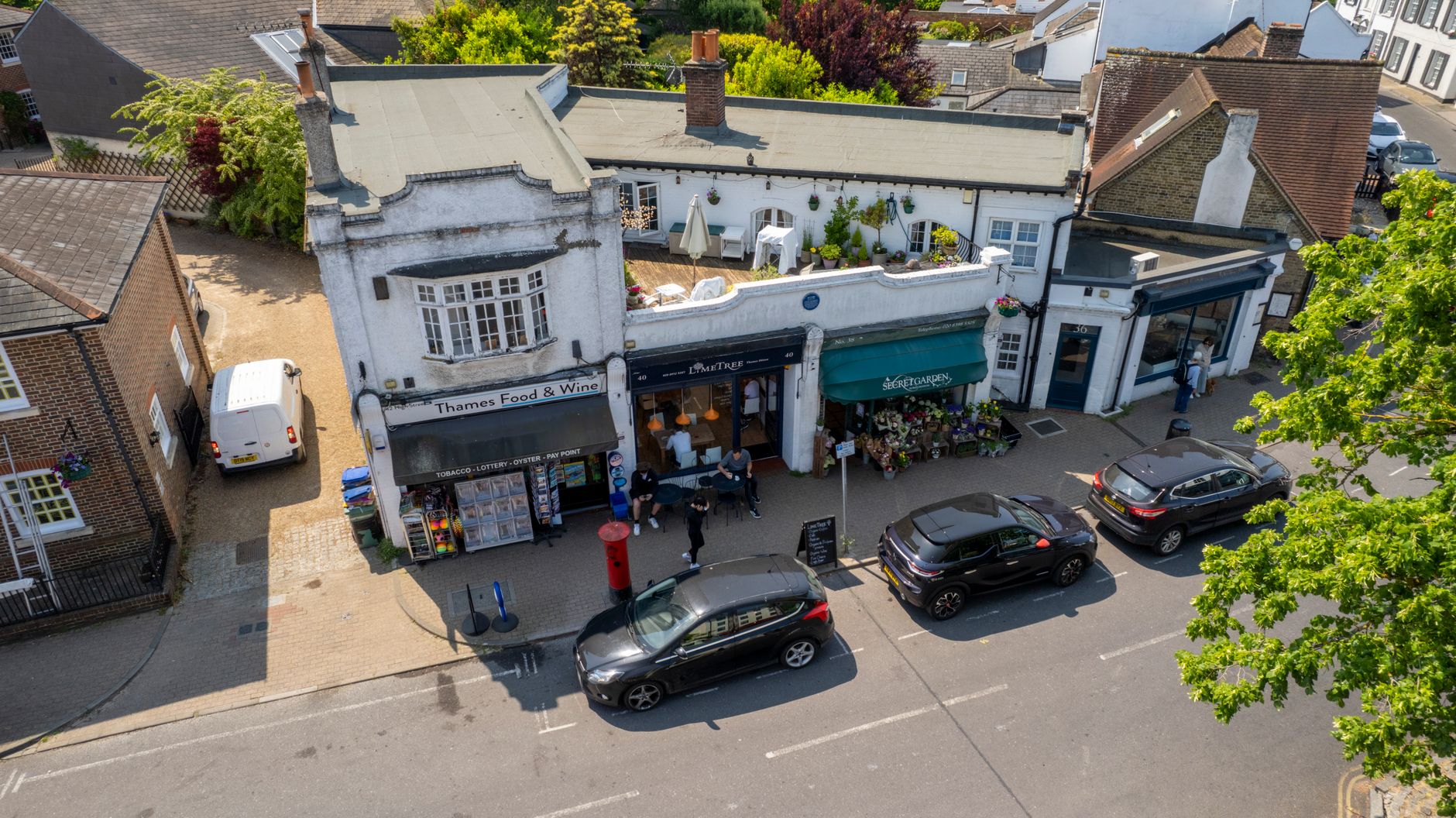
Community Shop Setup Guide UK: From Idea to Opening Day
Any honest community shop setup guide UK residents can act on starts with numbers rather than sentiment. This community shop setup guide UK walks through the legal structure, the £15,000–£60,000 you will realistically need, the margins that keep a village store solvent, and the volunteer rota that decides whether it survives its second winter. Roughly 400 community-owned shops trade across Britain, and their survival rate past five years sits far above conventional independent retail, largely because commercial rent, wage bills and shareholder pressure are stripped out of the model. It works in villages that lost their last shop, on estates with no fresh food within a mile, and in market towns where a post office counter closed. What follows is the sequence experienced steering groups actually follow: feasibility, structure, share offer, premises, stock, and opening day.
Testing Demand Before You Spend a Penny
Steering groups that skip feasibility tend to fail around month nine. Post a survey to every household, chase it until you hit a 40% response, and ask three blunt questions: how often would you shop, what would an average basket be, and would you buy shares? Under 55% positive intent means the catchment is too thin.
Multiply the households willing to shop weekly by a realistic £12–£18 basket. A village of 600 homes with 45% weekly usage generates roughly £170,000 of annual turnover, which is the threshold where a part-time paid manager becomes affordable. Below £120,000, the shop must run entirely on volunteers, and that changes every staffing assumption.
Walk the competition as well. Record the drive time to the nearest supermarket, whether a mobile butcher already calls, and how many residents commute past a large convenience store on the way home. Community shops win on proximity, opening hours and local produce, never on headline price, so test convenience value rather than goodwill.
Building momentum with visible wins
Momentum matters more than paperwork in the first six months. Groups that succeed run something tangible early: a monthly pop-up, a produce stall, or starting a community garden uk neighbours can watch growing on a spare plot behind the church. Visible activity converts sceptics into shareholders far faster than another public meeting.
Fundraising can begin immediately. Learning how to run a village fete properly, with stall pitches at £15–£25, a raffle built on donated prizes and a bar covered by a temporary event notice, routinely clears £2,000–£5,000 in a single afternoon. That seed money pays for surveys, legal advice and a professional business plan.
Choosing a Legal Structure That Protects Everyone
Most community shops register as a community benefit society using model rules from a sponsoring body. Registration with the Financial Conduct Authority through that route costs roughly £900–£1,500 and takes four to eight weeks. The society can issue community shares, holds an asset lock, and gives every member one vote regardless of investment size.
Committees often ask how to set up a charity instead, and the answer depends on trading intent. A charity suits a shop whose surplus funds wider community work, but trading restrictions and trustee duties add friction. A community interest company offers a simpler route for a small group, though it cannot raise withdrawable share capital from residents.
Whichever wrapper you choose, the asset lock is non-negotiable. It guarantees that if the shop closes, the building, fittings and remaining cash pass to another community body rather than to individuals. Funders and local authorities check this clause before releasing grants, so get the wording right at registration rather than amending later.
Running a community share offer
Set shares at £1 each with a minimum holding of £50–£250 and a cap around 10% of the total raise. Withdrawable shares pay modest interest, typically 0–3%, and are repayable only when the society can afford it. A four-week offer window with a clear target creates the urgency that open-ended appeals never achieve.
Premises, Rent and Fit-Out Costs
Premises decide your cost base more than any other choice. A peppercorn lease on a disused chapel, an unused room at the pub, or a corner of a redundant council building removes the single biggest overhead. Commercial rent of £8,000 a year on a £150,000 turnover shop is survivable but leaves almost no margin for error.
Fit-out is where budgets slip. Refrigeration, shelving, flooring, a compliant hand-wash basin and an EPOS till account for the bulk of it. Buying ex-display chillers from a closing convenience store can halve the equipment line, though allow £400–£700 for engineer commissioning and a service contract on each cabinet.
| Item | Typical cost (GBP) | Notes |
|---|---|---|
| Legal registration and model rules | £900 – £1,500 | Community benefit society via sponsoring body |
| Refrigeration (2 chillers, 1 freezer) | £3,500 – £9,000 | Second-hand units cut this by half |
| Shelving, counter and flooring | £4,000 – £12,000 | Depends on floor area and condition |
| EPOS till, card terminal, scales | £1,200 – £3,000 | Plus roughly £30–£60 monthly software |
| Opening stock | £6,000 – £15,000 | Most suppliers demand payment upfront initially |
| Insurance, signage, contingency | £2,500 – £6,000 | Keep 10% of the budget unallocated |
Trading temporarily while you fit out
Trade from a hall one morning a week while the building work runs. Village hall hire cost uk committees quote usually falls between £8 and £20 an hour, and a Saturday morning session builds the customer habit months before the permanent doors open. It also produces genuine sales data to show funders and suppliers.
Stock, Suppliers and Margins That Keep You Solvent
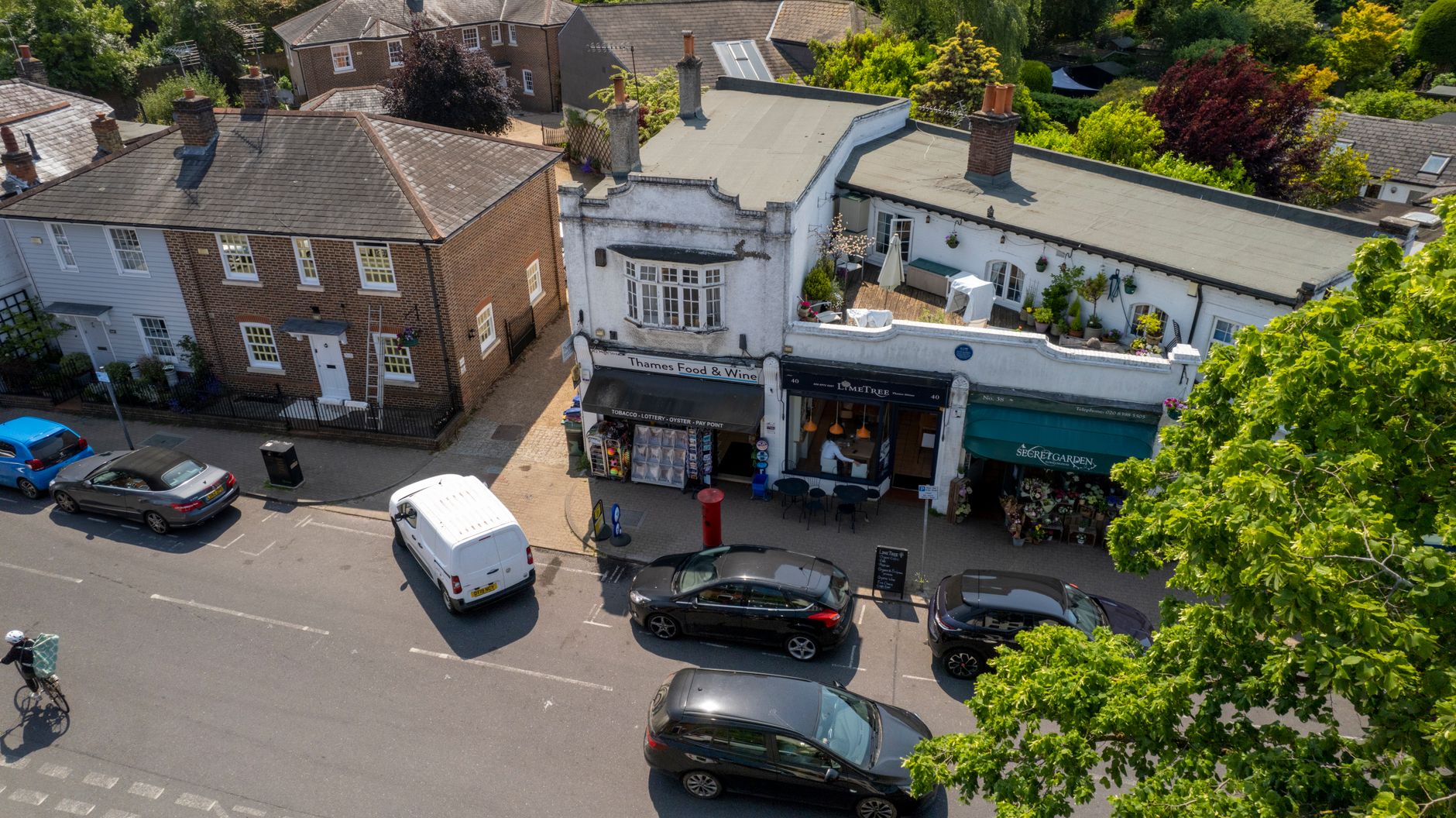
Range beats depth. Six hundred lines chosen well outperform two thousand chosen sentimentally. Use a symbol wholesaler for ambient grocery and household goods, a regional dairy for milk, and a local baker for a daily bread delivery. Fresh bread and milk drive footfall; everything else sells because customers are already through the door.
Margins vary sharply by category, and knowing them line by line is what separates a shop that clears £8,000 surplus from one that quietly loses money:
- Newspapers and tobacco: 5–8% — traffic drivers, not profit
- Ambient grocery from a wholesaler: 18–25%
- Chilled dairy and local bread: 20–28%
- Local produce, eggs and preserves on sale-or-return: 25–35%
- Coffee, cake and takeaway drinks: 60–70%
- Cards, gifts and second-hand goods: 50%+
A coffee machine costing £1,800 typically repays itself within seven months at 30 cups a day. It also changes the shop’s social function, turning a two-minute transaction into a twenty-minute conversation, which is precisely what keeps volunteers turning up and shareholders renewing their commitment.
Reducing waste and widening footfall
Surplus management protects thin margins. Community fridge how it works is simple in practice: a monitored, temperature-logged fridge takes date-labelled surplus from the shop and local businesses, free to anyone, with daily checks recorded in a logbook. It cuts waste disposal costs and pulls in people who would not otherwise cross the threshold.
A small preloved rail can earn its space too. The merchandising discipline visible in the best charity shops in london applies at village scale: tight size runs, seasonal rotation, nothing left on the rail beyond four weeks. Direct bulky surplus onward, since donating clothes to charity uk textile banks accept material a small shop cannot sell.
Volunteers, Governance and the First Trading Year
A shop opening 45 hours a week needs 50–70 volunteers on three-hour shifts. Build the rota around named shift leaders rather than a single coordinator, because burnout at the centre kills more community shops than poor sales. Two paid part-time hours a day for ordering and cashing up is money extremely well spent.
Train for the boring things: date rotation, allergen labelling, temperature logs, refusing alcohol sales, and cashing up. Recruit from the same pool that answers other local calls — people who know how to volunteer at food bank sessions or run reading groups already understand shift discipline and confidentiality, and they convert quickly to retail duties.
Sit the shop inside the wider civic network rather than apart from it. Staff who understand the uk food bank referral process can quietly point a struggling customer toward a voucher instead of watching them leave a basket at the till. Neighbours who ask about a neighbourhood watch scheme how to start often find the shop noticeboard becomes their first meeting point.
Governance that survives a difficult year
Recruit a board with real skills: retail, bookkeeping, HR and buildings. People who have learned how to become a school governor already grasp board papers, conflicts of interest and confidential minutes. That experience transfers directly, and it shortens the training curve for anyone new to formal committee work.
Meet the parish council early and stay visible there. Parish council meeting rules uk bodies follow allow a public participation slot, usually capped at three minutes per speaker, and using it to report trading figures builds the goodwill that later secures grants, car parking or a lease extension. Any community shop setup guide UK groups rely on should treat that relationship as infrastructure.
Frequently Asked Questions
How much does it really cost to open a community shop?
Budget £15,000–£60,000 depending on premises condition. A donated building needing only shelving, a chiller and opening stock sits at the lower end; a full conversion with new drainage, disabled access and a kitchen reaches the upper end or beyond. Community share offers typically raise £20,000–£90,000 in villages of 400–1,200 households, with grants from rural development funds, the parish council and local trusts covering the rest. Keep at least 10% of the total as unallocated contingency, because surveys, electrical certification and unexpected damp work almost always appear. Hold three months of operating costs in reserve before you open the doors.
Is a community shop allowed to make a profit?
Yes, and it should. A community benefit society trades commercially and needs surplus to replace equipment, absorb a bad winter and repay share capital when members withdraw. The distinction is what happens to that surplus: instead of being distributed to owners, it is reinvested in the shop or spent on community benefit, with the asset lock preventing private gain. Modest interest on community shares, commonly 0–3%, is permitted where the rules allow and the accounts justify it. Target a surplus of 3–6% of turnover. A shop that consistently breaks exactly even has no capacity to replace a failed freezer.
What happens if not enough volunteers come forward?
Reduce opening hours rather than lowering standards, and be honest about it publicly. A shop trading 9am–1pm six days a week with a reliable rota beats one advertising 45 hours and closing unpredictably, because erratic opening destroys the shopping habit within weeks. Review the rota quarterly and count how many volunteers cover more than two shifts; if three people carry 40% of the hours, you have a structural problem, not a recruitment one. Paying a supervisor for the difficult shifts, typically early mornings and Sunday, stabilises the rota. Recruit continuously through school newsletters, the parish magazine and shop-window appeals rather than in annual bursts.