

Anyone planning a move to Britain needs a clear map of the immigration visa categories that control who may work, study, join family or start a business here. The points-based system sorts these immigration visa categories into a handful of families, and the route you pick shapes everything that follows: the fee you pay, the salary you must earn, the English test you sit and the number of years before you can apply to settle. A skilled worker on a five-year sponsorship follows a very different path from a student, a partner of a British citizen or a founder backed by an endorsing body. This guide breaks the framework down into plain language, sets out indicative costs in pounds, compares the main routes side by side, and explains what happens after arrival, when the paperwork stops and everyday life in a local community begins.
How the Points-Based System Sorts the Main Routes
The Home Office does not publish one tidy list, so applicants meet the framework in pieces. In practice the immigration visa categories fall into five families: work, study, family and partner, business and investment, and protection. Each family holds sub-routes with separate forms, evidence bundles and processing windows.
Points sit at the centre of the skilled routes. A typical applicant needs 70 points built from four blocks: a licensed sponsor, a role at the required skill level, English at B1 or above on the CEFR scale, and a salary clearing both the general floor and the going rate for that occupation code.
Decision speed differs by route and by where you apply from. Standard work applications made outside the country are usually decided within three weeks; in-country switches take around eight. Priority handling compresses that to roughly five working days for an added fee of £500 to £1,000, depending on the service chosen.
The table below compares six commonly used routes, showing typical duration, whether the route counts towards settlement, and an indicative fee band. Figures are reviewed periodically by the Home Office, so treat them as planning estimates rather than fixed quotes.
| Route | Typical length of stay | Counts towards settlement | Indicative application fee |
|---|---|---|---|
| Skilled Worker | Up to 5 years per grant | Yes, after 5 years | £700 to £1,600 |
| Student | Course length plus 4 months | No, switching required | Around £490 |
| Partner or spouse | 2.5 years, renewable | Yes, after 5 years | £1,800 to £1,900 in-country |
| Global Talent | Up to 5 years | Yes, after 3 to 5 years | Endorsement plus visa, around £800 |
| Innovator Founder | 3 years | Yes, after 3 years | £1,200 to £1,600 |
| Graduate | 2 years, 3 for doctorates | No | Around £880 |
Work Routes, Sponsors and Salary Thresholds
Sponsorship is the gatekeeper on every skilled route. Without a licensed employer issuing a certificate of sponsorship, the application cannot begin, which is why job hunting and visa planning must run in parallel. Tens of thousands of organisations hold a licence, from large NHS trusts to twelve-person engineering firms in the Midlands.
Salary rules bite hardest of all. The general threshold sits well above £38,000 for most new skilled applications, with occupation-specific going rates layered on top. New entrants under 26, recent graduates and roles on the immigration salary list can qualify at a discounted percentage of the standard figure.
Employer costs matter too, because they shape hiring appetite. A medium or large employer pays the immigration skills charge at £1,000 per sponsored worker per year, plus licence and certificate fees. Small firms and charities pay £364. Candidates who understand these numbers negotiate relocation packages far more confidently.
Health and Care, Global Talent and Graduate Options
Not every route runs through a conventional sponsor. Global Talent requires an endorsement from a recognised body in science, engineering, the arts or digital technology, and it carries no salary threshold and no employer tie. Holders may change jobs, freelance or take unpaid research time without notifying anyone.
The Graduate route offers two years of unsponsored work for degree holders and three years for doctoral graduates, and it cannot lead directly to settlement. It works as a bridge: find a sponsoring employer inside that window and switch, or leave the country when the leave expires.
Family, Study and the Road to Settlement
Partner applications follow their own logic entirely. The sponsor must be a British citizen or a settled person, the relationship must be genuine and subsisting, and a minimum income requirement applies, evidenced through payslips, bank statements or cash savings held for at least six continuous months.
Study routes attach to a confirmed acceptance from a licensed institution. Leave usually runs for the course length plus four months, with term-time work capped at 20 hours weekly for degree-level study. Dependants are restricted to postgraduate research courses and government-sponsored programmes, a rule that reshaped many family plans.
Understanding how the immigration visa categories connect matters more than any single application, because most people switch at least once. A student becomes a graduate, a graduate becomes a skilled worker, and a skilled worker applies for indefinite leave to remain after five continuous qualifying years in the UK.
Counting Your Qualifying Years Correctly
Absences are the classic trap. Settlement generally requires no more than 180 days spent outside the UK in any rolling twelve-month period across the qualifying years. Applicants who travelled heavily for work should reconstruct a full travel log from passport stamps and boarding passes long before applying.
Budgeting the Move in Pounds
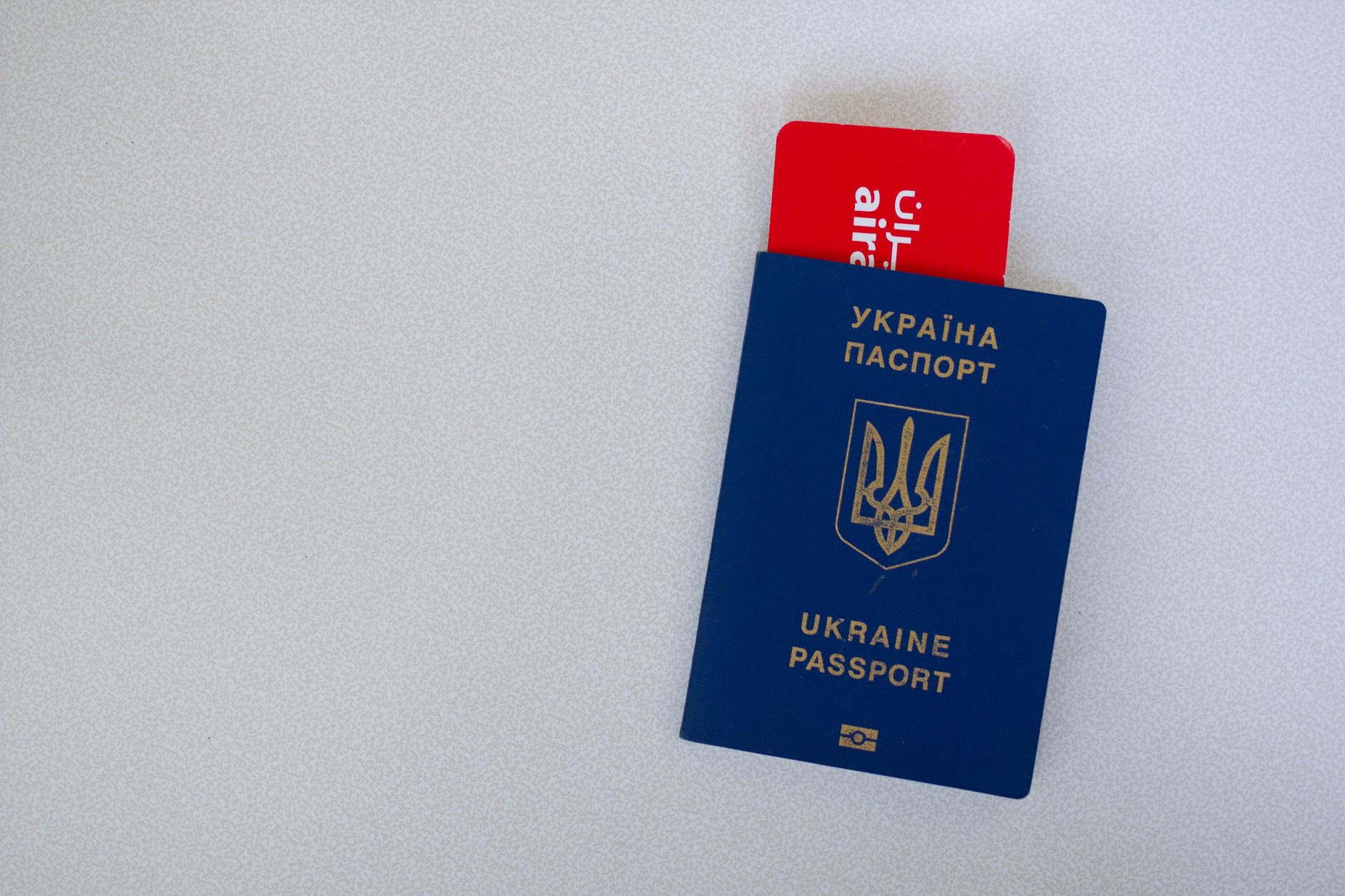
The headline visa fee is never the whole cost. A five-year skilled worker application can exceed £6,000 once the visa charge, the immigration health surcharge at £1,035 per adult per year and biometric appointments are totalled. Families multiply that figure by every dependant, including infants, at the applicable rate.
Settling costs land immediately afterwards. Rental deposits, furniture, a car and school uniforms compete for the same budget. Pets belong on that list too: the french bulldog puppy price uk buyers typically encounter runs from £1,500 to £3,500, and a blue french bulldog puppy for sale can pass £4,000 from a health-tested breeder.
Rarity drives those figures. A mini bulldog puppy for sale is often priced above a standard litter simply because the type is fashionable, while imported dogs add transport, paperwork and insurance. Budget roughly £70 to £120 each month for food, insurance and routine veterinary care before committing to any breed.
Bringing an existing pet is usually cheaper than buying one here. An animal health certificate, a microchip and a valid rabies vaccination cover most arrivals from Europe, with airline crate hire and a vet visit adding perhaps £400. Flat-faced breeds face airline restrictions, so book flights and cabin arrangements early.
Settling Into a Local Community After Arrival
Registration tasks come first: a GP surgery, a national insurance number, a bank account and a council tax account. Most councils publish a newcomers pack, and public libraries run free English conversation groups. These small administrative wins do more for everyday confidence than any glossy relocation guide.
Search habits reveal how quickly newcomers put down roots. Within months of arrival, the same households that researched visa routes start typing very different queries. A french bulldog puppy for sale uk search sits alongside school catchment maps and allotment waiting lists in the average family browser history.
Those queries follow predictable patterns, and recognising them saves hours of scrolling through duplicate listings:
- french bulldog puppy for sale, which returns nationwide breeder and marketplace listings with wide price variation
- puppy french bulldog for sale, a phrasing that surfaces more classified adverts than kennel websites
- puppy for sale french bulldog, which tends to pull in older listings that are frequently already sold
- puppy french bulldog for sale uk, useful for filtering out overseas sellers and shipping scams
- english bulldog puppy for sale near me, the standard local search for the heavier traditional breed
- puppy bulldog for sale near me, a broad catch-all covering several bulldog types at once
- british bulldog puppy for sale near me, favoured by buyers wanting Kennel Club registered lines
- american bulldog puppy for sale near me, aimed at the larger working type that needs far more exercise space
Vet the seller as carefully as any visa document. Kennel Club registration, a written health guarantee covering breathing and hip issues, and viewing the puppy with its mother are the three checks that separate a responsible breeder from a dealer. County rescue centres also rehome bulldogs at a fraction of breeder prices.
Dog ownership then does something no visa can. Twice-daily walks build the weak-tie relationships that turn a postcode into a home, and local walking groups introduce arrivals to neighbours, tradespeople and school parents faster than almost any other social route available.
How do I choose the right UK visa route for my circumstances?
Start from your strongest asset rather than your preferred outcome. If you hold a job offer from a licensed sponsor, the skilled worker route is usually fastest. If you hold an academic or industry reputation, an endorsement route removes the sponsor dependency entirely. If your closest connection is a British partner, the family route bypasses salary going rates but imposes a minimum income requirement on the sponsor instead. Map each option against four practical measures: total cost including the health surcharge, realistic processing time, whether the route counts towards settlement, and how easily you can switch later. Most successful applicants keep two viable routes open until one produces firm documentation.
Is it realistic to buy or bring a dog soon after relocating?
It is realistic, but timing matters more than budget. Landlords are the usual obstacle: many tenancy agreements restrict pets, and negotiating written permission before signing is far easier than asking six months later. Newly arrived households on temporary accommodation should wait until a stable address is secured. If you are importing an animal, the health certificate, microchip and rabies vaccination schedule take several weeks to complete, so begin the process before your departure date. Buying locally after arrival avoids that logistics chain but introduces the risk of unregulated sellers. Either way, confirm your working pattern first, since flat-faced breeds cannot be left alone for long stretches.
What documents should I gather before submitting any application?
Build a single evidence folder early and keep it current. The core set includes a passport valid well beyond your intended travel date, a tuberculosis test certificate if you are applying from a listed country, proof of English language ability through an approved test or a recognised degree, and financial evidence showing the required maintenance funds held for the full qualifying period. Sponsored applicants add their certificate of sponsorship reference number and the exact job details it contains. Family applicants add relationship evidence such as tenancy agreements, joint accounts and correspondence spanning the whole relationship. Scan everything at high resolution, translate any non-English document through a certified translator, and keep original paper copies accessible during travel.