
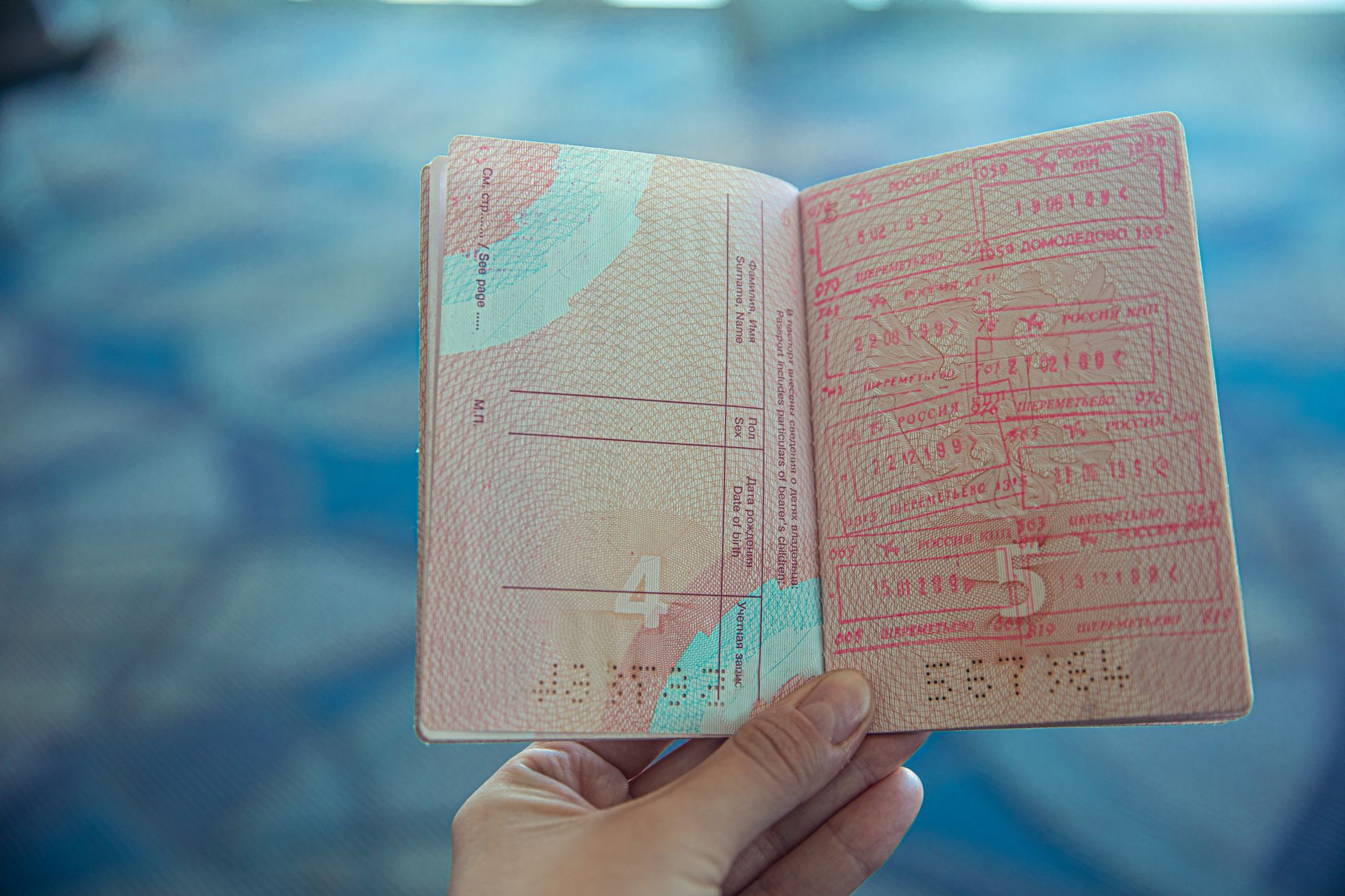
Understanding immigration visa requirements is the first practical step for anyone planning to live, work or study in the United Kingdom, and the detail matters more than most applicants expect. The immigration visa requirements attached to each route — Skilled Worker, Student, Family, Global Talent — differ in salary thresholds, English language proof, maintenance funds and sponsorship, so a document that satisfies one category can be rejected outright in another. Caseworkers assess evidence against published rules rather than intent, which means a bank statement that is three days short of the required 28-day window carries the same weight as no statement at all. This guide breaks down what each requirement means in practice, what it costs in pounds, how long decisions realistically take, and how newcomers settle into a local community once the visa is granted — including the everyday questions that follow, from registering with a GP to choosing a family pet.
Which Route Applies to Your Situation
Every route has its own rulebook. A Skilled Worker application needs a Certificate of Sponsorship from a licensed employer, a job on the eligible occupation list, and a salary that clears both the general threshold and the going rate for that occupation code. Student applicants instead need a Confirmation of Acceptance for Studies.
English language evidence trips people up constantly. Most work and family routes require CEFR level B1 in speaking, listening, reading and writing, proven through an approved Secure English Language Test, a degree taught in English with a UK ENIC statement, or nationality from a majority English-speaking country.
Maintenance funds are equally mechanical. A Skilled Worker without an A-rated sponsor certifying support must hold £1,270 for 28 consecutive days, ending no more than 31 days before applying. Students face higher figures tied to London or out-of-London study, and each dependant adds a separate sum.
The core document checklist
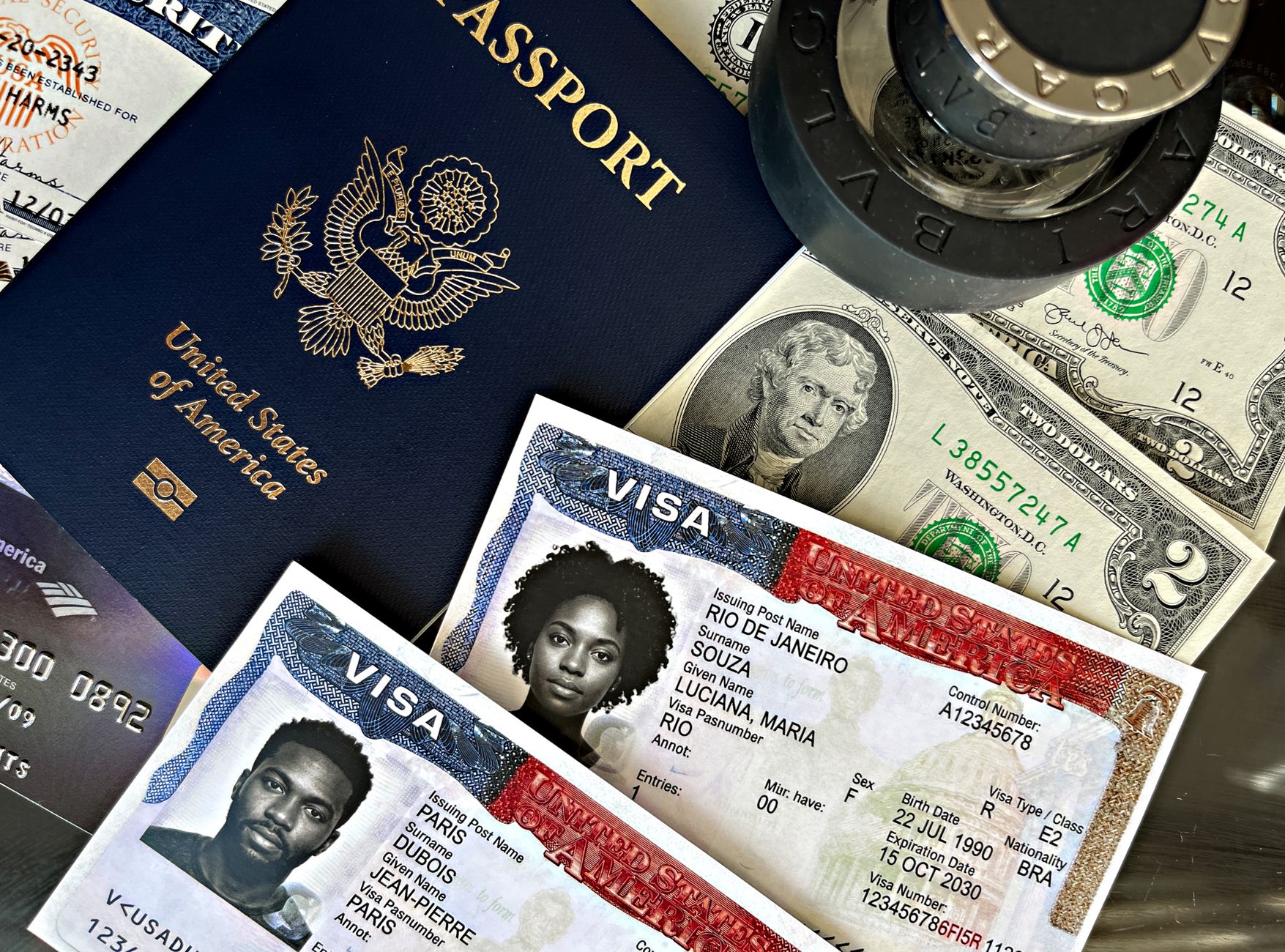
Assemble evidence before you open the online form. Scanned passports must show every page with a stamp, payslips should match the bank credits exactly, and translated documents need a certified translator’s statement with contact details. The table below maps the most common immigration visa requirements against the evidence caseworkers expect to see.
| Requirement | Accepted evidence | Common pitfall |
|---|---|---|
| Identity | Valid passport with a blank page | Expired or water-damaged document |
| English language | SELT certificate or UK ENIC statement | Test centre not on the approved list |
| Maintenance funds | 28 consecutive days of statements | Balance dips below threshold for one day |
| Sponsorship | Certificate of Sponsorship reference | CoS assigned after the form was started |
| Health screening | TB test certificate for listed countries | Clinic not Home Office approved |
What the Process Costs in Pounds
Fees stack up faster than most budgets allow. A three-year sponsored work visa applied for from outside the UK sits in the high hundreds of pounds, the Immigration Health Surcharge is charged per year for every person on the application, and priority processing adds several hundred more on top of the standard fee.
Sponsors carry their own bill. The Immigration Skills Charge falls on the employer and scales by company size and visa length, while the Certificate of Sponsorship itself attracts a separate administrative fee. Some employers recover part of that through clawback clauses, so read the contract carefully before signing anything.
Budget for the invisible costs too: tuberculosis testing where required, courier fees for passport return, biometric appointment upgrades, apostilled certificates, and certified translations charged per page. A family of four can comfortably spend several thousand pounds in total before a single suitcase is packed for the flight.
Bringing Family and Settling into a UK Community
Dependants are assessed alongside the main applicant, not afterwards. Each partner and child needs their own application, fee, health surcharge payment and biometric appointment, plus evidence of the relationship — marriage certificates, birth certificates, or proof of a relationship akin to marriage lasting at least two years.
Arrival admin moves quickly once you land. Register with a GP surgery, apply for a National Insurance number, open a UK bank account using your eVisa share code, and notify the local council so that council tax and school admissions are recorded correctly from your first week.
Community integration is the part no rulebook covers. Local libraries, faith groups, parkrun events and neighbourhood forums do more for language confidence than any test preparation course, and they are where most new residents pick up practical advice on schools, tradespeople and reliable local services.
Pets, puppies and the first months at home
Pets follow the same paperwork logic as people: microchip, rabies vaccination, and an animal health certificate. Families who arrive without an animal often start browsing instead, and searches for a french bulldog puppy for sale spike in the first six months, alongside near-identical queries such as puppy french bulldog for sale and puppy for sale french bulldog.
Regional wording matters when you shop locally. Newcomers type french bulldog puppy for sale uk or puppy french bulldog for sale uk when comparing breeders nationally, then switch to english bulldog puppy for sale near me, puppy bulldog for sale near me, or british bulldog puppy for sale near me once they know their postcode area.
Costs deserve the same scrutiny as visa fees. A blue french bulldog puppy for sale commands a premium over standard colours, and the typical french bulldog puppy price uk range runs well into four figures once health testing is included. A mini bulldog puppy for sale or an american bulldog puppy for sale near me sits in different brackets entirely.
Processing Times, Biometrics and Decision Windows
Standard service times are published as targets, not guarantees. Out-of-country work applications commonly resolve in around three weeks, student routes move slightly faster during off-peak months, and settlement or family routes stretch towards six months. Complex cases involving prior refusals or criminal records routinely exceed those published windows.
Biometrics anchor the clock. Until fingerprints and a facial image are captured at a visa application centre — or a digital identity check is completed through the official ID Check app — the case is not queued for a decision at all. Book that appointment the same week you pay.
Priority and super priority services compress the wait to five working days or one, but they only accelerate your position in the queue. A missing payslip still triggers the same request for further information, and that pause is not refunded when the advertised target is subsequently missed.
Refusal Reasons and How to Avoid Them
Financial evidence causes more refusals than any other single factor. Statements that omit the account holder’s name, balances that dip below the threshold for even one day inside the 28-day window, and undated printouts without a bank stamp are all treated as failures rather than oversights.
Deception findings are far more damaging than a simple shortfall. An undeclared previous refusal, an inflated employment history, or a qualification that cannot be verified can attract a ban of up to ten years, which closes routes long after the original application has been forgotten.
Administrative review and fresh applications both carry costs. A review challenges caseworking errors only, never new evidence, so applicants who forgot a document usually reapply from scratch and pay the full fee again. Reading the refusal notice line by line identifies which path actually applies.
How long do immigration visa requirements take to satisfy from scratch?
Plan on eight to twelve weeks from decision to departure for a straightforward work route. English testing needs two to four weeks including booking, sitting the exam and receiving results. The 28-day maintenance window cannot be shortened, so money must land in the account a full month before submission. Sponsors typically take one to three weeks to assign a Certificate of Sponsorship once the role is approved internally. Document translation and certification add another week. Only after all of that does the official processing time begin, and biometrics must be captured before the clock starts running at all.
Is a confirmed job offer always necessary for a UK visa?
No. Sponsored work routes such as Skilled Worker and Health and Care Worker do require a confirmed role with a licensed sponsor, but several categories operate without one. Global Talent relies on endorsement from a recognised body in academia, digital technology or the arts. The Innovator Founder route depends on an endorsed business plan. Student visas need an education provider rather than an employer. Family routes turn on the relationship and the sponsor’s income, and the Youth Mobility Scheme opens to nationals of participating countries by ballot or direct application, with no employer involvement whatsoever.
What documents prove the financial side of an application?
Bank statements remain the primary evidence, and they must show your name, the account number, the institution and a closing balance dated within 31 days of submission. Building society passbooks, certificates of deposit and letters from a regulated financial institution are also accepted. Statements printed from online banking need a branch stamp or a covering letter on headed paper. Where a sponsor certifies maintenance directly on the Certificate of Sponsorship, no personal statements are required at all. Payslips, tax documents and employment contracts support salary claims separately, and every figure must reconcile exactly across the documents you submit.