
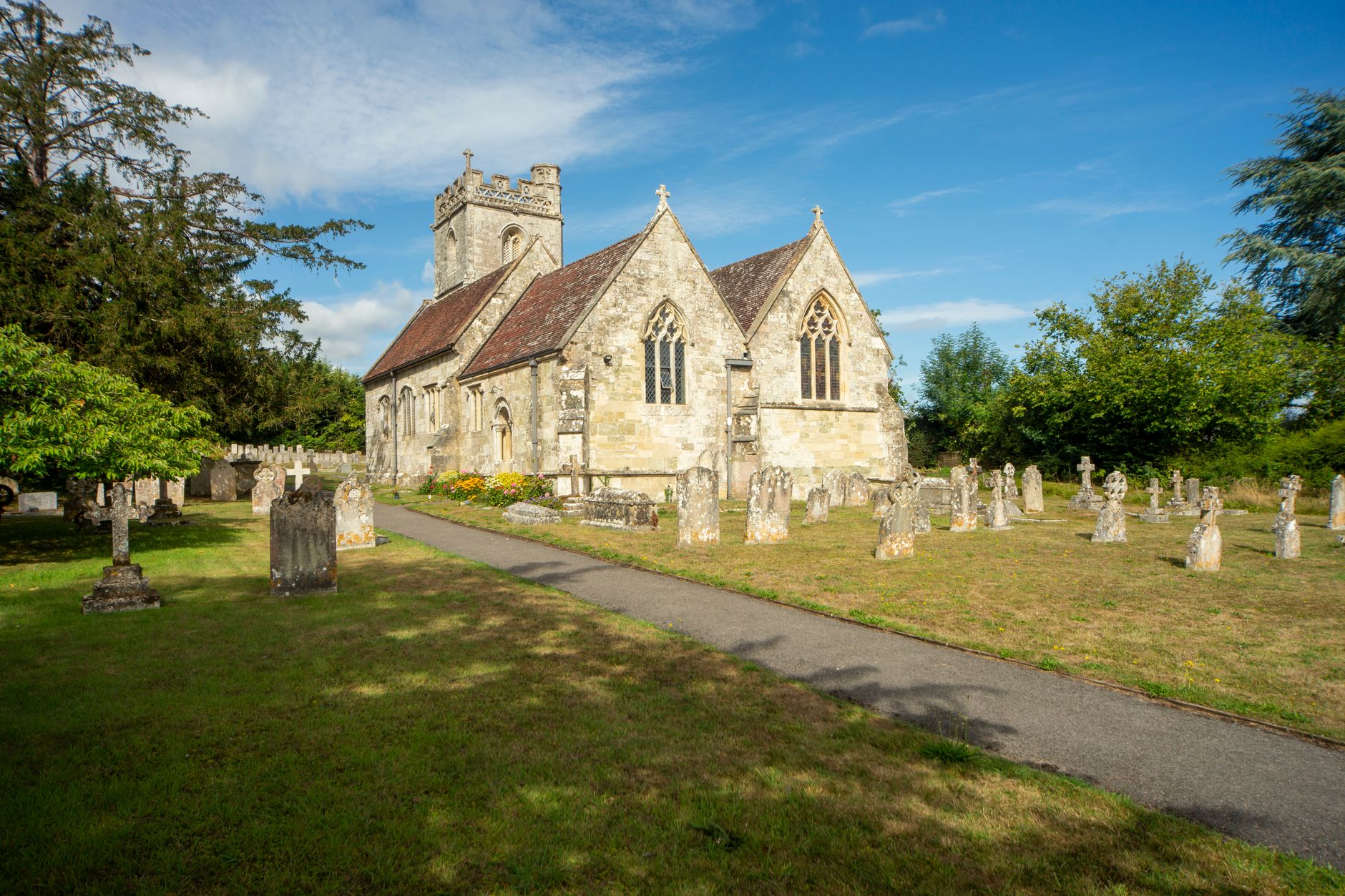
British Summer Traditions: A Practical Guide to the UK Season
British summer traditions are built less on reliable sunshine than on a national talent for improvising around the weather. Between late May and early September, British summer traditions fill village greens, seaside promenades and back gardens with rituals that have changed remarkably little in a hundred years: the fête, the agricultural show, the coastal day trip, the garden barbecue rescheduled twice. For newcomers to a UK community, these events are the fastest route into local life — they are cheap, informal and almost always run by volunteers who want more hands. This guide breaks down what actually happens across the season, what it costs in pounds, how families and their pets fit into the calendar, and which practical details separate an enjoyable July afternoon from a damp, sunburnt one. Expect specifics rather than nostalgia.
The Village Fête: The Backbone of British Summer Traditions
Almost every parish in England, Wales and Scotland stages a fête between June and August, usually on a Saturday afternoon on the village green or the primary school field. Entry is free or £2, and the format is fixed: tombola, bottle stall, cake competition, a brass band, and a raffle drawn at four o’clock.
The economics are modest and deliberate. A well-run fête raises somewhere between £1,500 and £4,000 for the church roof, the scout hut or the community defibrillator fund. Stalls charge 50p a go, cake sells for around £1.50 a slice, and the beer tent, where there is one, rarely charges more than £5 a pint.
Volunteering is the real entry point. Committees meet from February onwards and are perpetually short of people to run the coconut shy or steward the car park. Two hours of help buys more local knowledge than a year of nodding politely at neighbours across the road.
Typical Costs Across the Summer Calendar
Budgeting for the season helps, because costs vary enormously between a free village green and a ticketed county show. The table below sets out realistic figures for a family of four, covering gate prices, parking and the inevitable ice cream, and reflects what most UK regions charge.
| Event type | Entry price | Typical family spend |
|---|---|---|
| Village fête | Free or £2 | £15–£25 |
| County agricultural show | £22–£30 adult | £80–£120 |
| Seaside day trip | Beach free | £45–£70 with parking and chips |
| Festival day ticket | £60–£95 | £120 and upwards |
| Open garden scheme | £5–£7 | £15 with tea and cake |
Seaside Days, Deckchairs and the 99 Flake
The coastal day trip survives cheap flights, bad forecasts and everything else. Whitby, Camber Sands, Tenby, Cromer and Scarborough fill their car parks by ten in the morning on any bank holiday, and the ritual barely varies: windbreak up, towels down, paddle in water that rarely exceeds 17°C.
Costs stay reasonable if you plan. Seafront parking runs £8 to £12 for the day, a deckchair hire costs about £3, and cod and chips sits between £10 and £13 in most resorts. A 99 Flake, once a genuine 99p, now averages £2.80 from a van and £2.20 from a kiosk.
Tide timing matters more than temperature. At Camber or Holkham the sea retreats several hundred metres, which is ideal for children and useless for swimming. Check a tide table before you leave, take a £15 windbreak, and accept that the wind will arrive around three in the afternoon regardless.
Garden Parties, Barbecues and Pimm’s Season
The domestic side of the season revolves around the back garden. Households fire up the barbecue the moment the forecast clears 20°C, and supermarket data consistently shows sausage and burger sales tripling in the week of the first genuine warm spell. A decent kettle barbecue costs £45 to £90 and lasts years.
Pimm’s remains the signature drink, mixed one part to three with lemonade, cucumber, strawberries and mint. A 70cl bottle costs roughly £16 and stretches to about fourteen glasses, which makes it cheaper per head than wine. Elderflower cordial and alcohol-free options have grown sharply among younger hosts.
Garden gatherings are also where communities negotiate their unwritten rules: music down by ten, an apology note through the neighbour’s door beforehand, and a spare gazebo on standby. The gazebo, at £60 to £120, is the most quietly essential purchase any British host ever makes.
Dogs, Puppies and the Summer Show Ring
Dogs are woven through the whole season. Most fêtes run a novelty dog show with £2-a-class entries for waggiest tail, best rescue and dog most like its owner, judged by a local vet. Bulldogs and terriers dominate the ring, and rosettes cost the committee about 40p each.
Summer is also when interest in puppies peaks. Rehoming charities report the same annual curve: online searches such as french bulldog puppy for sale climb steeply through May and June as families picture long, warm days in the garden. Variants like puppy french bulldog for sale and puppy for sale french bulldog reflect one impulse, and welfare groups urge buyers to slow down.
Pricing tells its own story. Listings under french bulldog puppy for sale uk and puppy french bulldog for sale uk cluster between £1,500 and £3,000, while the typical french bulldog puppy price uk rises sharply for rare colours. A blue french bulldog puppy for sale can be advertised above £4,000 despite documented coat and skin concerns, and a mini bulldog puppy for sale is a marketing label rather than a Kennel Club breed.
Proximity searches behave similarly. Terms including english bulldog puppy for sale near me, puppy bulldog for sale near me, british bulldog puppy for sale near me and american bulldog puppy for sale near me all spike in June, yet the breeds differ hugely in heat tolerance, which matters enormously during a July show day on an unshaded field.
Keeping Flat-Faced Breeds Safe in Warm Weather
- Walk before 8am or after 7pm; tarmac above 25°C can burn pads within a minute.
- Carry at least 1.5 litres of water and a collapsible bowl to every outdoor event.
- Use a cooling mat, around £18, rather than ice water, which can cause shock.
- Book shaded space at shows; brachycephalic breeds overheat at temperatures other dogs tolerate.
- Never leave a dog in a parked car, even briefly, with windows open.
Sport, Festivals and Light Until Ten
The sporting calendar gives the season its rhythm. Village cricket runs every Saturday from late April, with teas served at four and admission almost always free. County cricket costs £20 to £28 a day, and local bowls clubs charge £5 for a taster session including hire of woods.
Festivals fill the rest. Beyond the household names, hundreds of small events charge £30 to £60 for a weekend, often on farmland with camping included. Folk weekends in Whitby, Cambridge and Sidmouth combine workshops, sessions in pubs and street performances that cost nothing at all to watch.
What ties it together is daylight. Northern Scotland sees light until nearly eleven at midsummer, and even southern England holds usable brightness past nine. That surplus of evening explains many british summer traditions better than temperature ever could: people simply have hours to fill outdoors.
How Do I Find Local British Summer Traditions Near Me?
Start offline. Parish noticeboards, library windows, post office counters and the back pages of free local papers still carry the majority of fête, show and fun run listings, often weeks before anything appears online. Many committees have no website at all and rely entirely on printed posters put up in early May. Then check community social media groups, which typically publish dates six to eight weeks ahead, and your parish or town council newsletter. County shows, agricultural societies and open garden schemes publish annual calendars in spring. If you have moved recently, ask at the local pub or the school gate; residents will name the three events genuinely worth attending and warn you which car park fills first.
Is the British Summer Actually Warm Enough for Outdoor Events?
Averages sit lower than visitors expect. Typical July daytime highs range from 19°C in northern Scotland to about 23°C in the south east, with roughly nine to eleven wet days a month across most regions. Genuine heatwaves above 30°C occur, but they rarely last beyond four or five consecutive days. Organisers plan accordingly: marquees, gazebos and contingency indoor venues are standard, and events almost never cancel for rain alone. Layering solves the problem for attendees. A packable waterproof, a fleece for evenings that drop to 12°C, and sunscreen for the surprisingly strong June sun cover nearly every scenario. Comfortable outdoor days across the season usually outnumber washouts by a comfortable margin.
What Should I Take to a Village Fête or Country Show?
Bring cash in small denominations. Many stalls remain card-free, and £20 in coins and fivers covers tombola tickets, raffle strips, cakes and the bottle stall without queueing at a cashpoint three miles away. A folding chair, around £12, is worth its weight at any show with limited seating. Add sun cream at factor 30 or higher, a hat, refillable water bottles, and a lightweight waterproof that packs into a bag. Wear boots or trainers you do not mind muddying, because a field that looked dry at ten can churn badly by three. If you take a dog, pack water, a short lead and shade, and check the event’s animal policy in advance.