

Community Sponsorship Refugee Group UK: How to Build, Fund and Run One
Setting up a community sponsorship refugee group UK wide is one of the few ways ordinary neighbours can bring a resettled family directly into their town. A community sponsorship refugee group UK approved by the Home Office takes on a two-year commitment: finding a home, raising a minimum fund, arranging English lessons, and standing beside a family through their first winter here. It is demanding, deeply practical work — closer to running a small charity than to signing a petition. Most successful groups start with five to eight committed people, a church hall or a living room, and a spreadsheet. Within nine to eighteen months they have a constitution, a bank balance above £9,000, a landlord willing to sign a two-year tenancy, and a resettlement plan the council has read and approved. This guide walks through every stage, with realistic costs and timings.
What a Community Sponsorship Group Actually Commits To
The scheme lets a constituted group take direct responsibility for one refugee family arriving through the UK Resettlement Scheme. Your group finds the property, meets them at the airport, registers them with a GP, enrols children in school, and supports them for twelve months of formal support inside a two-year tenancy.
That support is specific, not vague goodwill. You must provide at least eight hours of ESOL teaching per week for adults, accompany them to Jobcentre appointments, help open a bank account, explain bin collections and bus timetables, and produce a written resettlement plan the Home Office assesses before approval.
Groups that thrive treat this like a project with named owners: housing lead, finance lead, education lead, interpreter coordinator, safeguarding lead. Groups that struggle rely on one exhausted founder. Split the roles early, write them into your constitution, and agree how decisions get made when two volunteers disagree at eleven at night.
Forming the Group, Constitution and Charity Status
Before the Home Office will look at you, your group must be a legal entity. Many volunteers ask how to set up a charity from scratch, but a faster route is partnering with an existing registered charity as your lead sponsor, which lets you borrow their governance, their insurance and their bank account.
Lead sponsor or your own registered charity
A lead sponsor arrangement can shave six months off your timeline and removes the burden of trustee recruitment. Registering independently makes sense only if you plan to sponsor repeatedly, want control of restricted funds, and already have three or four people willing to accept trustee liability for the long term.
Safeguarding is non-negotiable. Budget for enhanced DBS checks at roughly £38 each plus an administration fee, appoint a designated safeguarding lead, and write a policy covering home visits, lone working, photography consent and data storage. Assessors read these documents closely and reject applications built on copied, unadapted templates.
Meetings need a home. The average village hall hire cost UK groups face runs between £8 and £25 an hour, with charity rates often halving that figure. Book a fixed monthly slot, publish an agenda in advance, and keep minutes — evidence of orderly governance strengthens your application considerably.
Raising the Fund, Securing Housing and Budgeting Honestly
The headline figure is £9,000 held for the family’s first year, but that is a floor, not a budget. Add tenancy deposit, furniture, travel, interpreting and a sensible contingency, and most groups aim for £12,000 to £15,000 in the account before they submit an application.
Housing defeats more groups than money does. You need a landlord prepared to offer a two-year tenancy at or below the local housing allowance rate, to a family with no UK credit history. Approach faith-based landlords, small independent letting agents and housing associations rather than online portals.
Fundraising that reaches five figures
Community events do the heavy lifting. Groups learning how to run a village fete typically clear £1,500 to £4,000 in a single afternoon once stalls, tombola, refreshments and a raffle are priced properly. Standing orders of £10 a month from forty supporters add another £4,800 across the year.
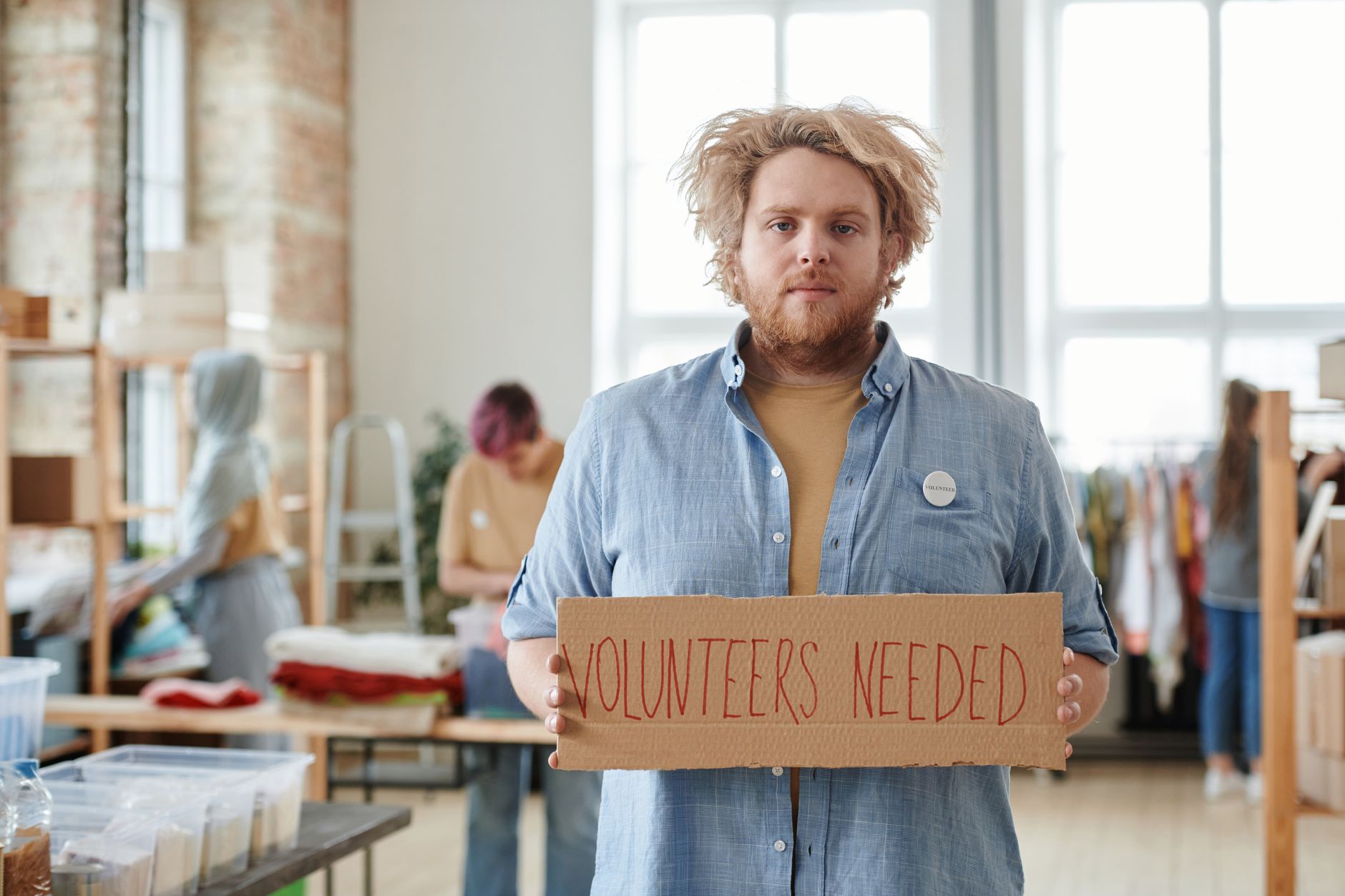
Retail routes help too. Volunteers researching the best charity shops in London for donation partnerships, or organising donating clothes to charity UK style collections in their own parish, can convert wardrobe clear-outs into gift-aided income while sourcing furniture and winter coats at almost no cost.
| Cost item | Typical amount | Notes |
|---|---|---|
| Minimum resettlement fund | £9,000 | Held in a dedicated group account before approval |
| Deposit and first month rent | £1,200 to £2,400 | Varies sharply by region |
| Household setup | £1,500 to £2,500 | Beds, white goods, kitchenware; much sourced second-hand |
| Enhanced DBS checks | £380 to £500 | Roughly ten volunteers, including admin fees |
| Public liability insurance | £150 to £300 a year | Required by most halls and event organisers |
| ESOL materials and travel | £600 to £1,000 a year | Books, bus fares, interpreting support |
Local Authority Consent, Councils and Community Buy-In
No application proceeds without written consent from the local authority, which checks school places, GP capacity, housing pressure and integration support. Book a meeting with the resettlement or communities officer early. Bring your draft resettlement plan, your budget, and the address of the property you intend to use.
Parish and town councils are powerful allies in rural areas. Learn the parish council meeting rules UK clerks follow: agendas published three clear days ahead, public participation limited to a set period, and decisions taken only on agenda items. Request a slot properly and you may secure a grant.
Wider civic roles create the network a family will actually live inside. Supporters who know how to become a school governor can smooth admissions and pastoral support, while residents who understand neighbourhood watch scheme how to start dynamics help introduce newcomers to their street quietly and without fuss.
The First Twelve Months After Arrival
Week one is airport pickup, a stocked fridge, SIM cards, biometric documents, GP registration and a Universal Credit claim. Weeks two to eight cover school places, bank accounts, ESOL enrolment and bus routes. Slow the pace deliberately after that: exhaustion in month four is common on both sides.
Practical support clusters around a handful of local services, and knowing which ones require referrals saves the family a wasted, humiliating journey. Map them during your first month, note opening hours, and introduce the family in person rather than handing over a printed list of addresses and phone numbers:
- Food support: understand the UK food bank referral process, since most parcels require a voucher from a recognised referral agency rather than a walk-in request.
- Volunteering together: many supporters ask how to volunteer at a food bank, and a shared shift builds confidence and conversational English faster than any classroom hour.
- Many towns now run a community fridge; how it works is simple — surplus supermarket stock, free to anyone, no referral and no means test.
- Starting a community garden UK councils often back with a small grant gives a family produce, purpose and neighbours within weeks.
- Bike libraries, second-hand furniture projects and conversation cafés run by local churches or libraries.
Independence is the goal, not dependence on your group. By month nine, plan the handover: who the family calls when a boiler fails, which neighbours drop in, which advice service handles benefits queries. Groups that fade out gradually leave families steadier than those that stop abruptly at month twelve.
How do you start a community sponsorship group in the UK?
Begin with people, not paperwork. Gather five to eight reliable volunteers, then contact an established sponsor group or lead sponsor charity for mentoring — most will happily share their constitution, budget template and resettlement plan structure. Next, secure a two-year property offer, because housing is always the slowest element. Open a dedicated bank account, raise your £9,000 minimum, complete DBS checks and safeguarding policies, then approach the local authority for written consent. A community sponsorship refugee group UK application usually takes nine to eighteen months from first meeting to Home Office approval, plus three to six months before the family actually arrives.
Is community sponsorship affordable for a small village group?
Yes, and small groups often outperform city ones because they raise money socially rather than institutionally. A village of 1,200 people can realistically produce £9,000 through a summer fete, a concert, a sponsored walk and forty regular donors giving £10 a month. Costs beyond the fund itself are modest: hall hire, insurance at roughly £150 to £300 a year, DBS checks and travel. Donated furniture, white goods and clothing cut setup spending sharply. The real currency is volunteer hours — expect eight to fifteen people contributing two to four hours weekly during the first six months, tapering afterwards.
What happens when the twelve months of formal support end?
Formal responsibility ends at twelve months, but the tenancy runs for twenty-four and the relationship usually lasts far longer. Before month twelve, review the family’s English level, employment progress, benefits position and school integration, then write a short handover note listing every service they now use independently. Most groups shift from doing things for the family to simply being on call — a WhatsApp group, a monthly coffee, help with a tenancy renewal or a college application. Some then sponsor a second family, reusing their constitution, policies and landlord relationships, which typically halves the preparation time.